
Welcome to the monthly recap blog, where I will be summarizing our ongoing survival progress at the end of each month and showing off some screenshots.
Our new world began just before the new year on December 27, 2024 with three colonists and has progressed into a small neighborhood with several essential farms and public areas.
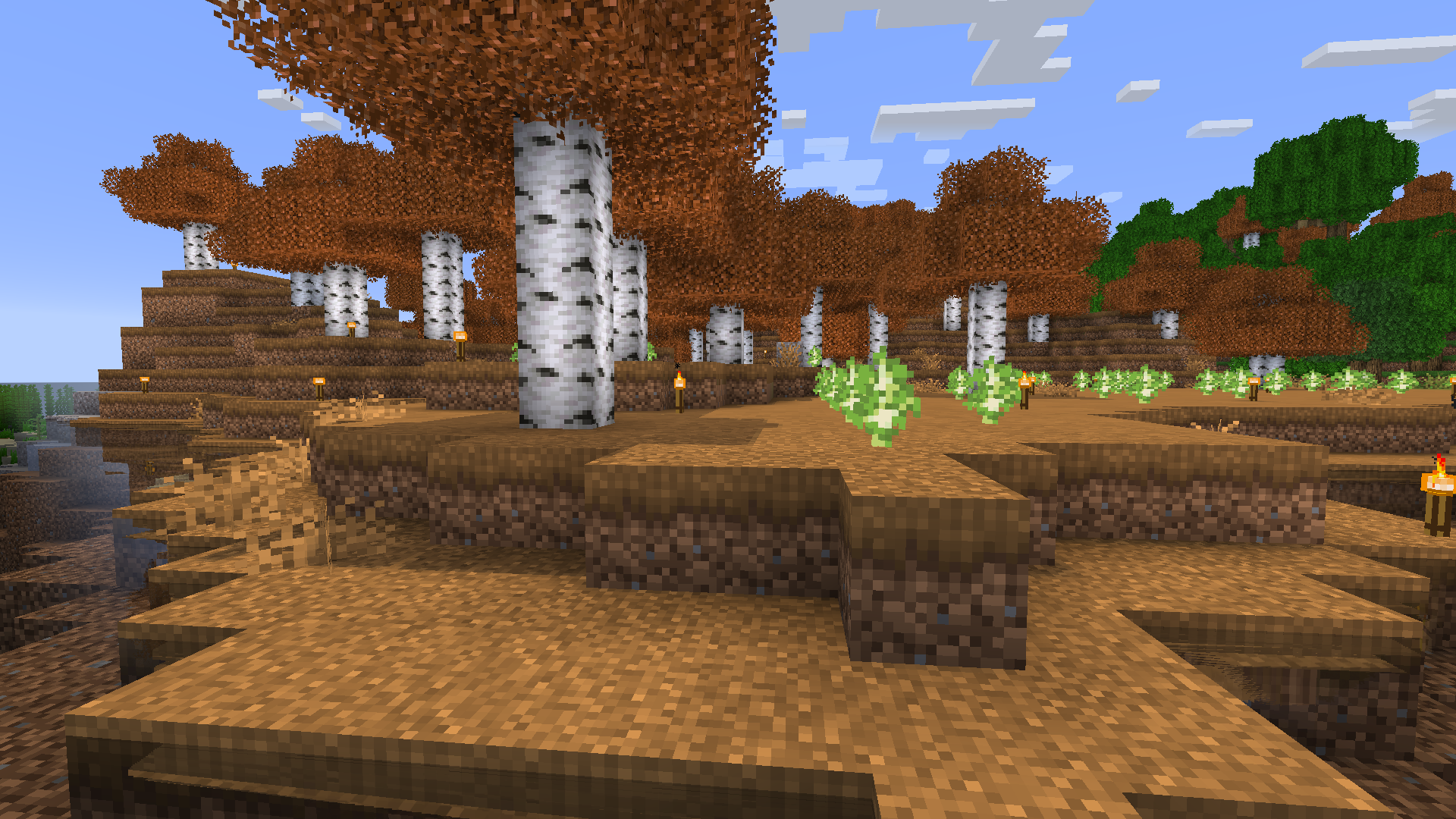
We landed at a typical birch forest and quickly gathered materials for a communal house to settle the immediate area. Early food sources were kelp and potatoes obtained from a nearby village. Besides the ocean and a couple of mountains, surrounding biomes were little more than woods and plains. We started building close to the shore near the landing site.
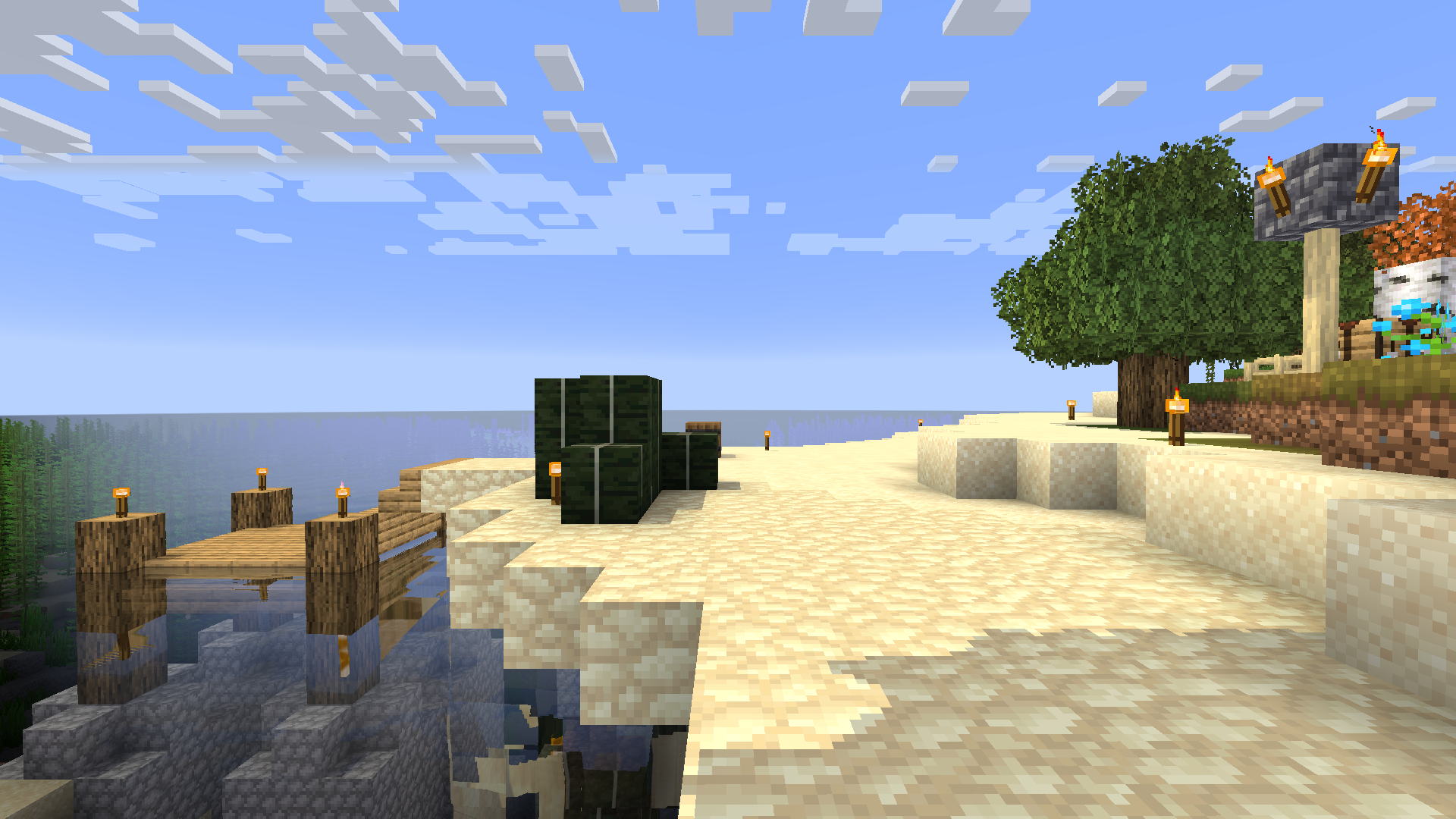
We threw together a small communal birch house with some basic food sources and a rudimentary mine stemming from the cave system below.
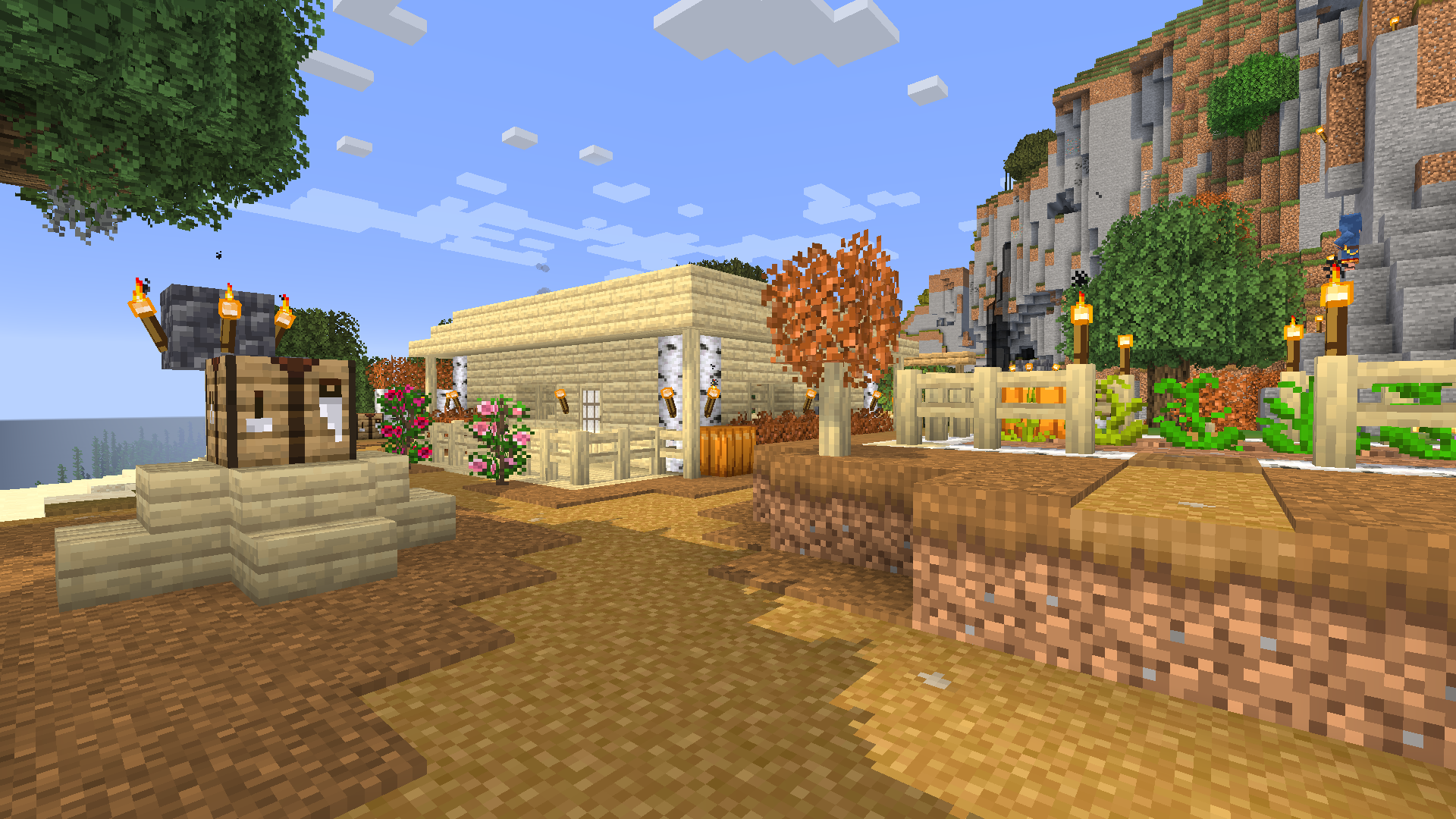
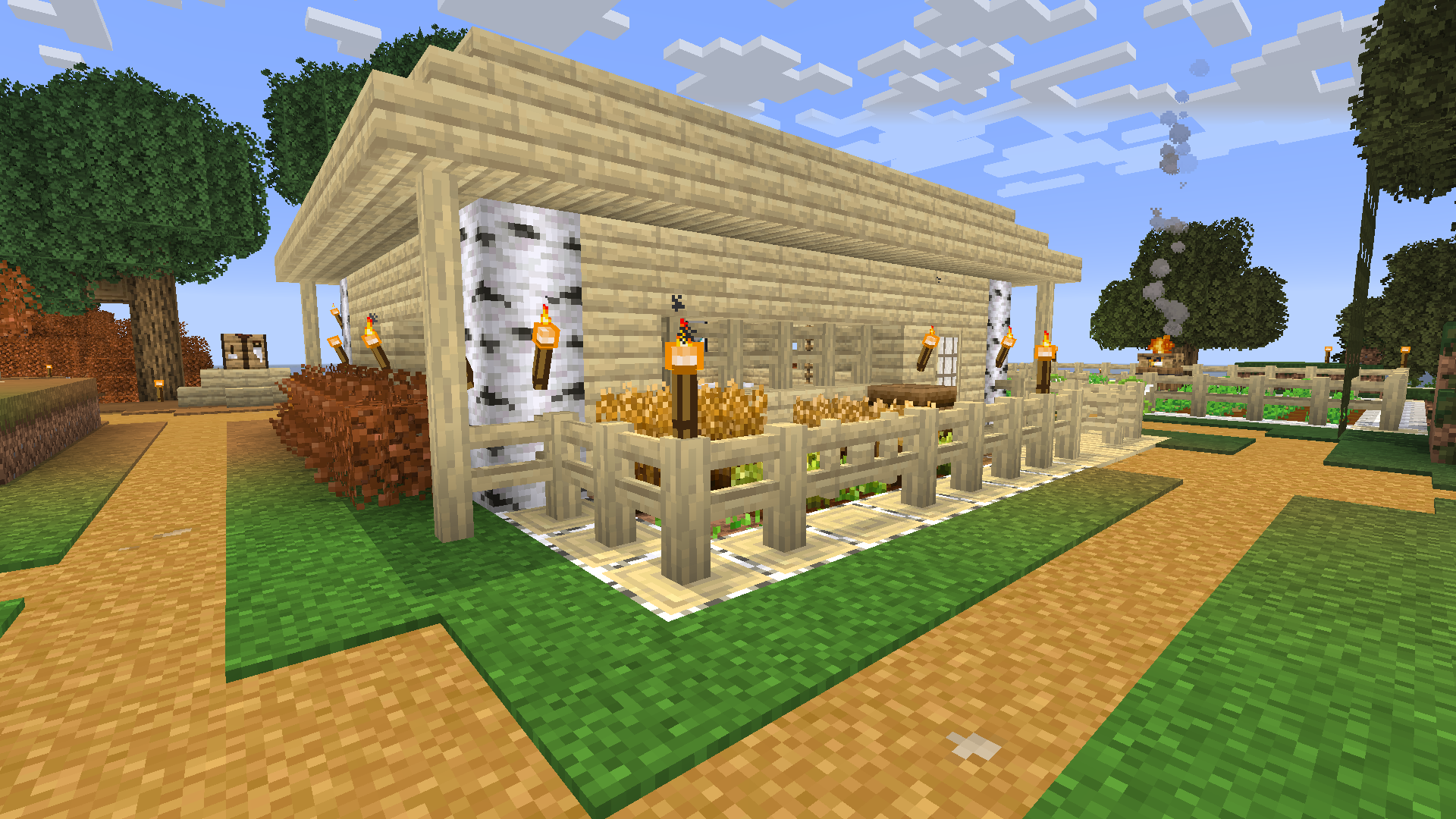
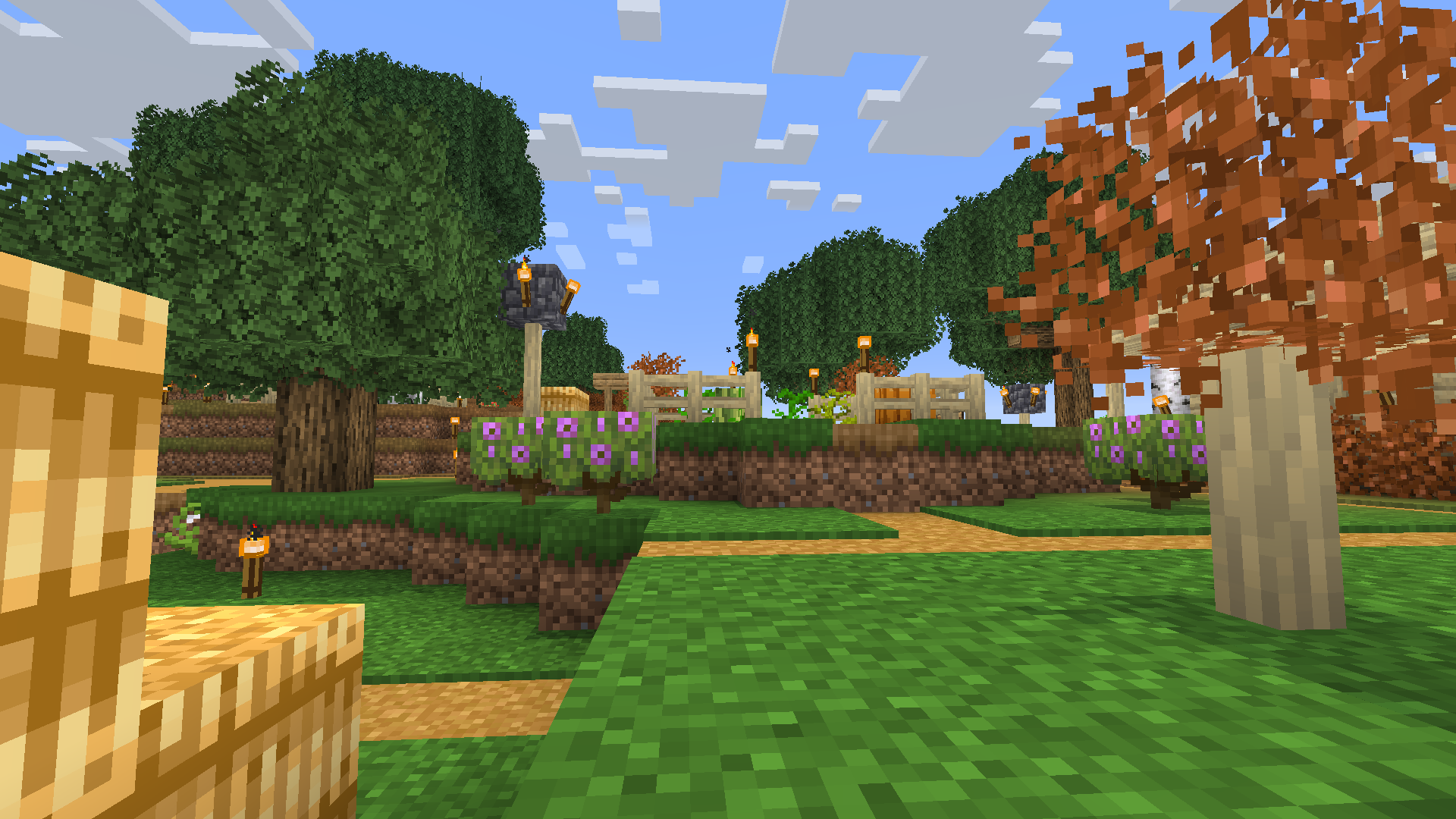
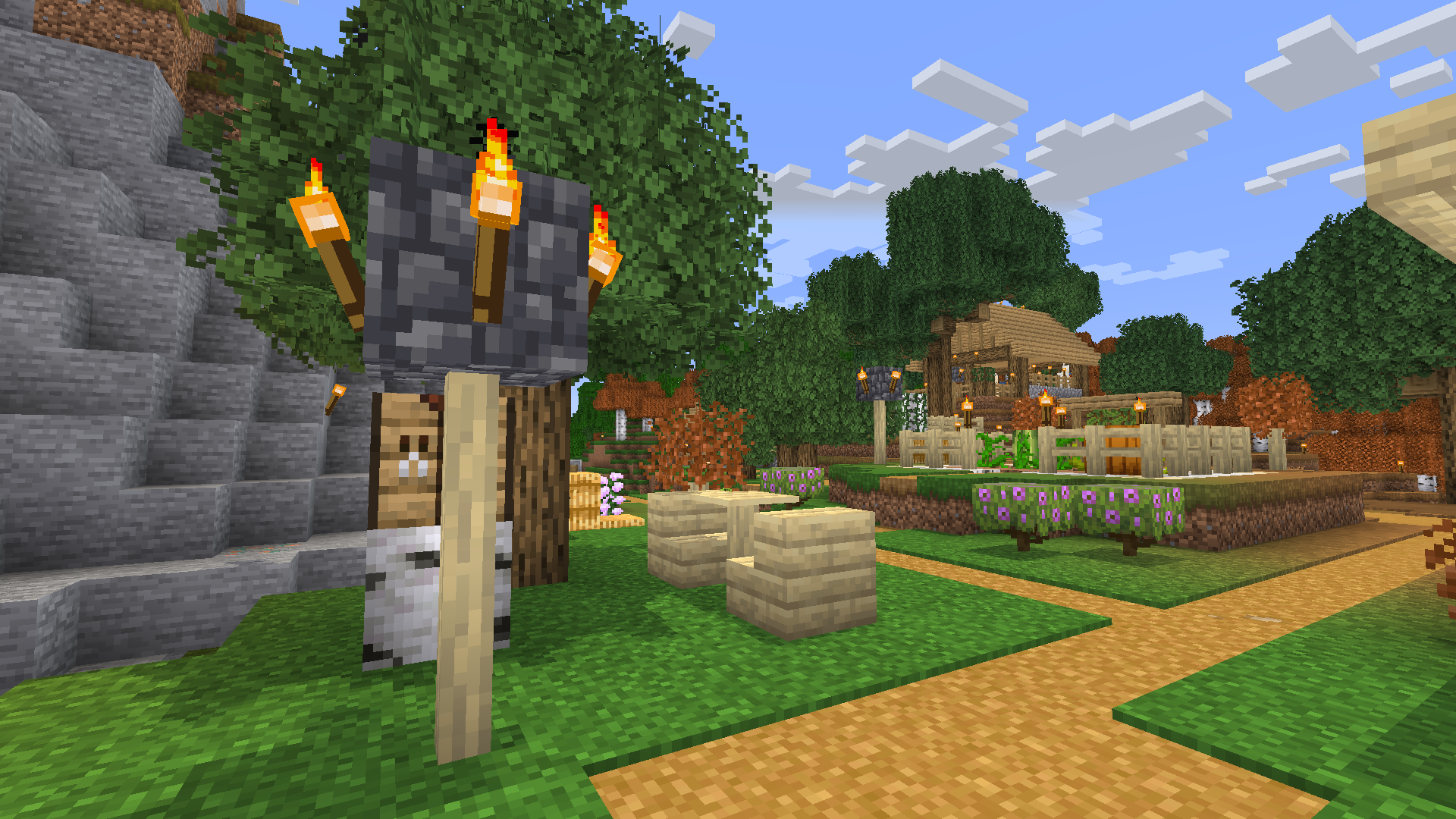
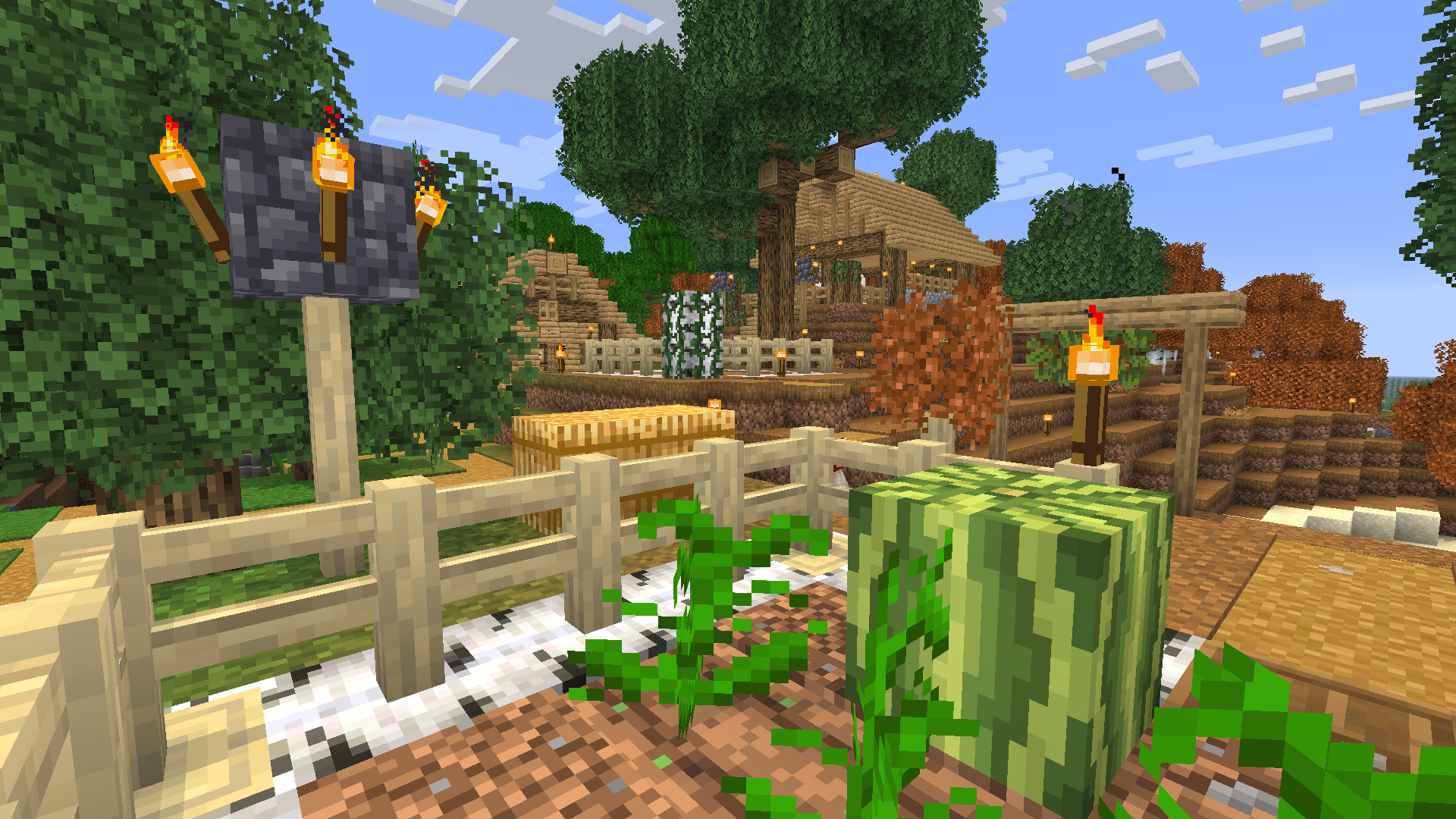
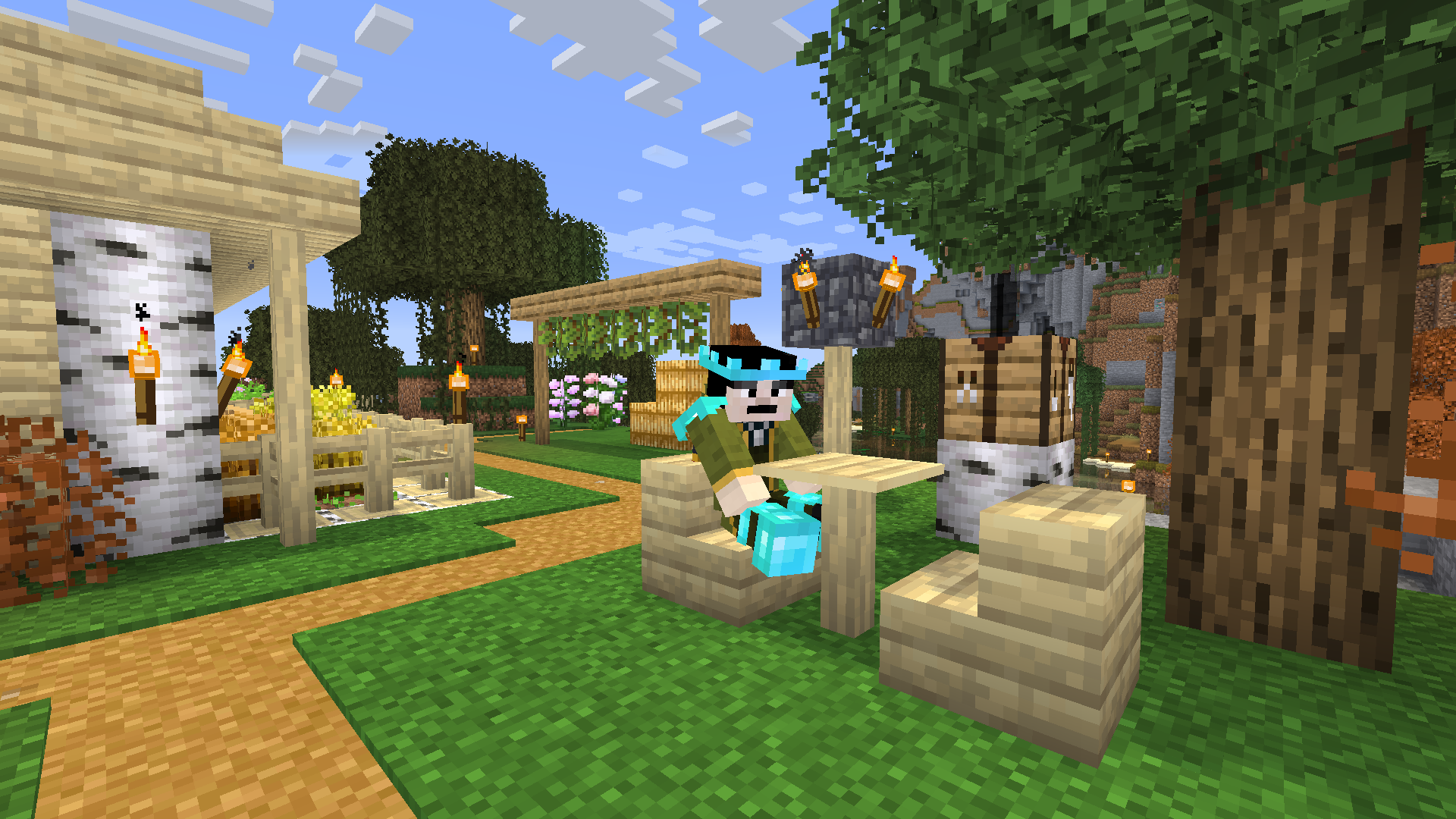
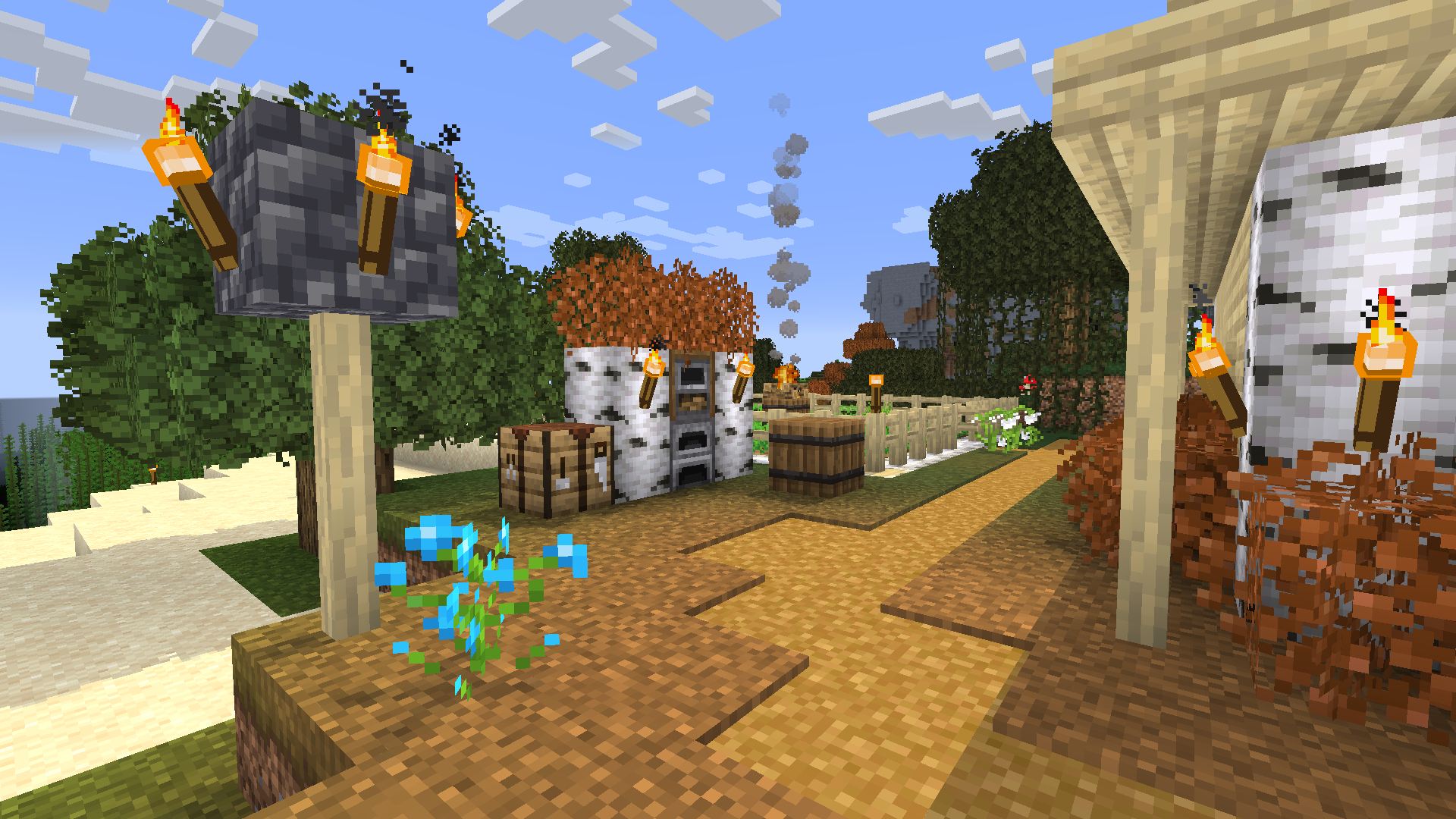
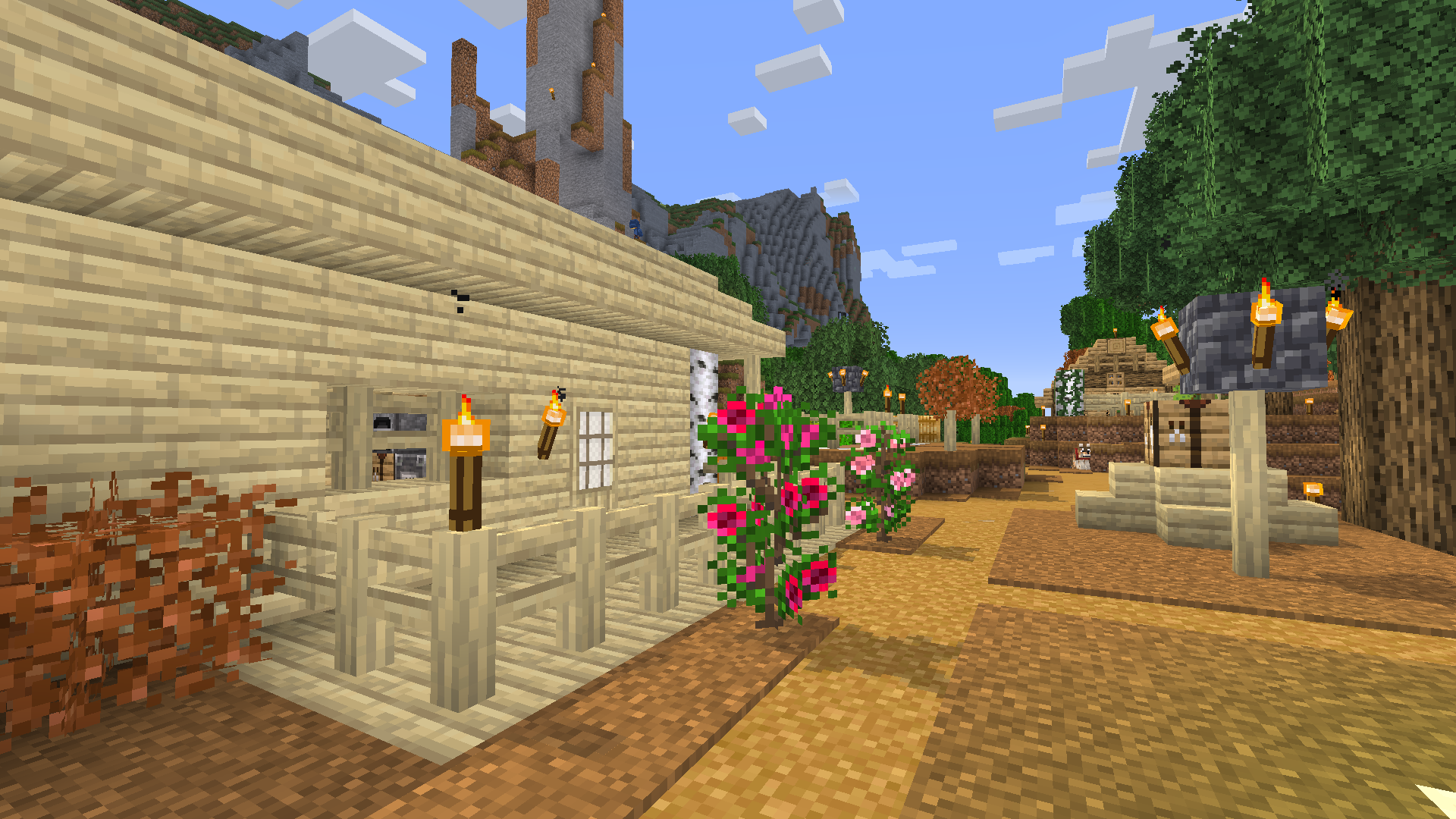
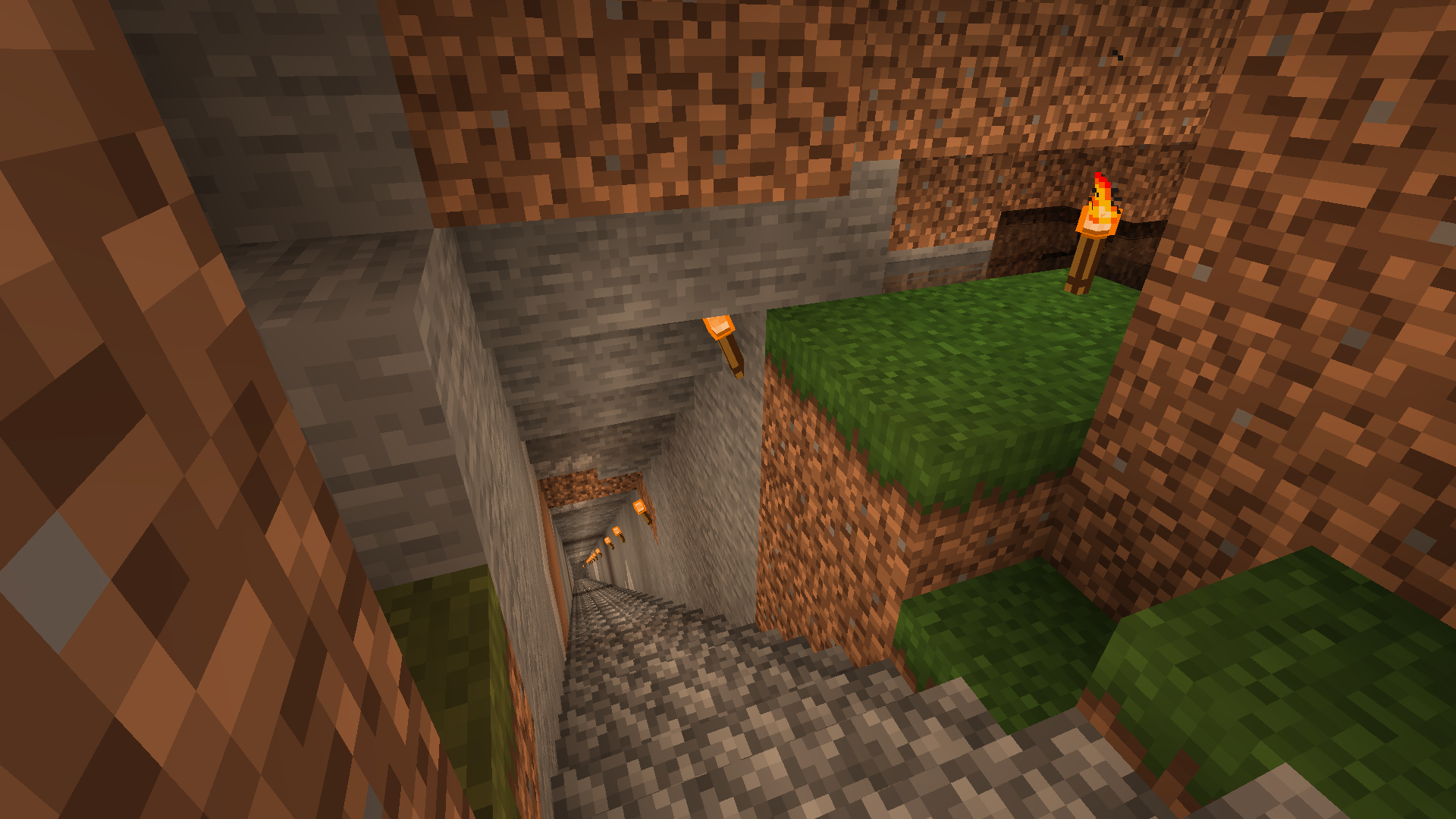
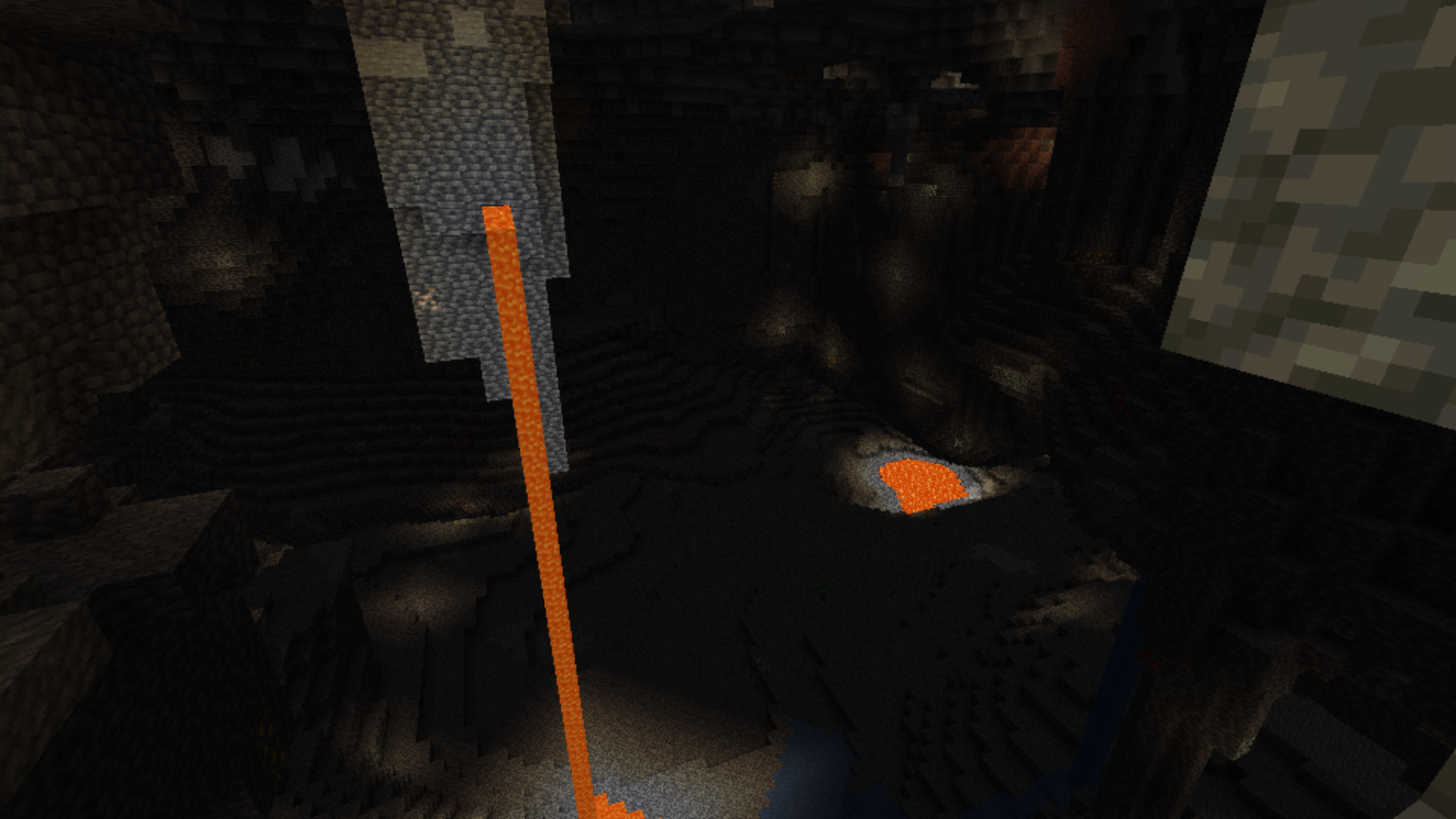
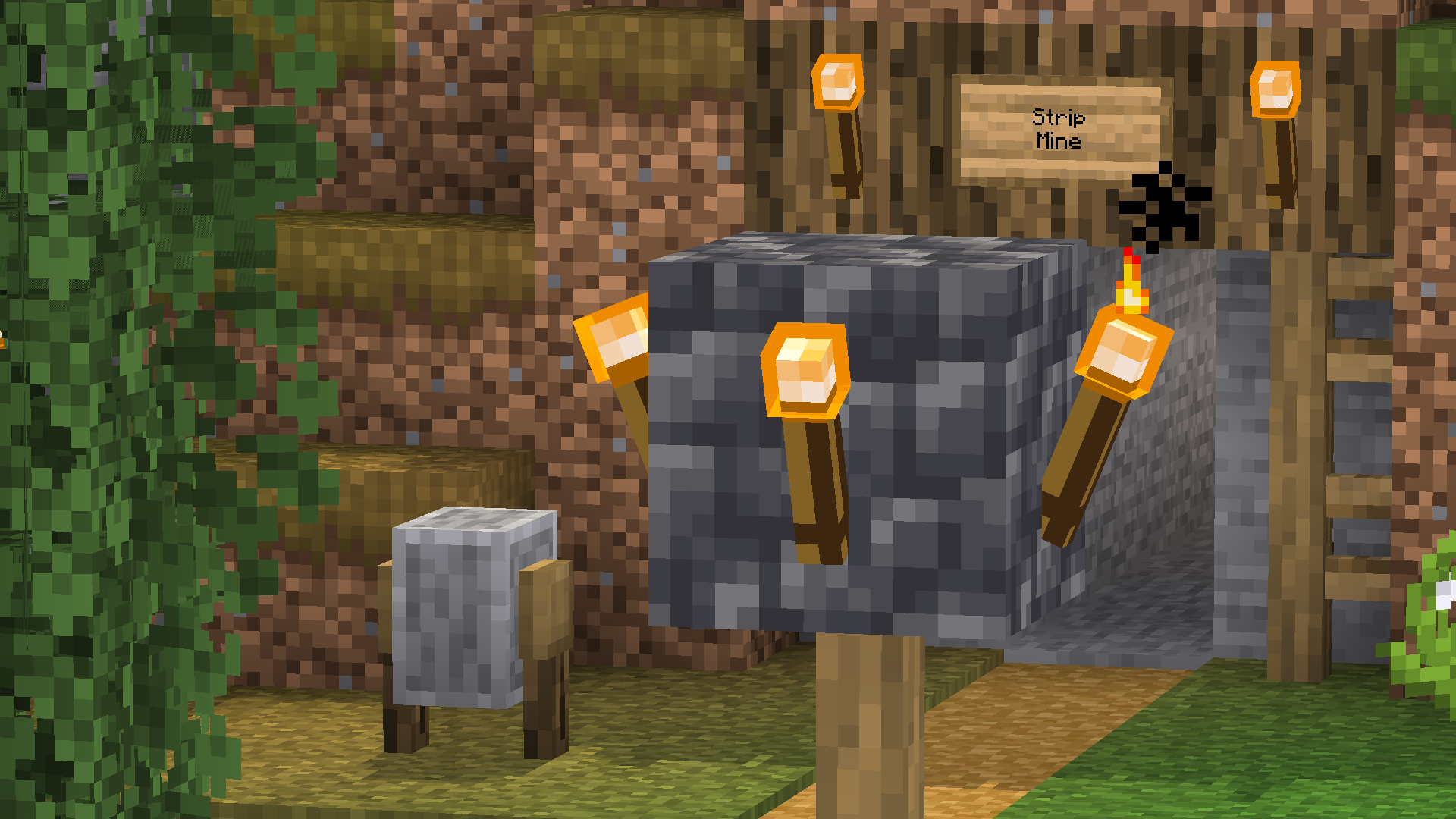
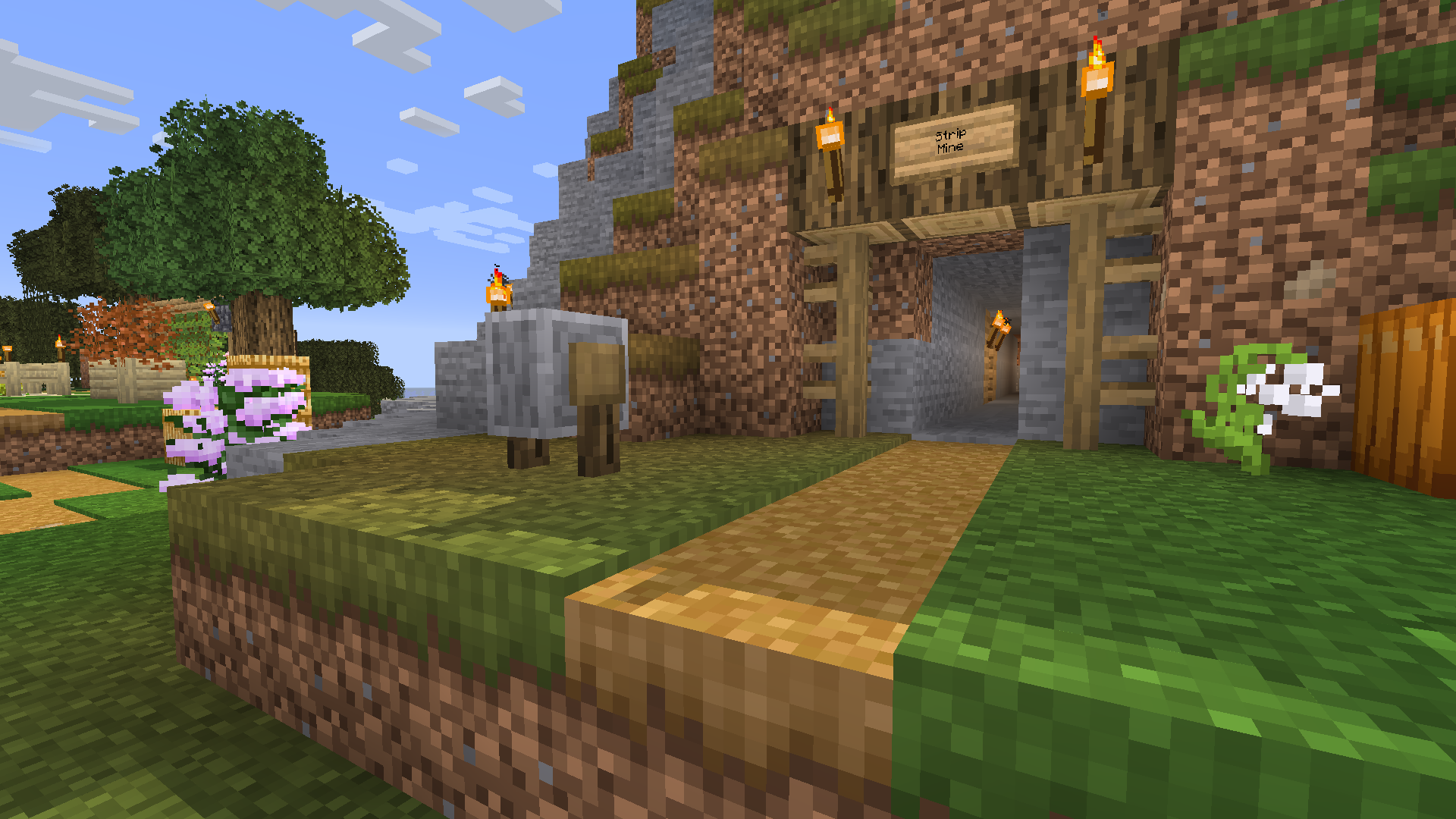
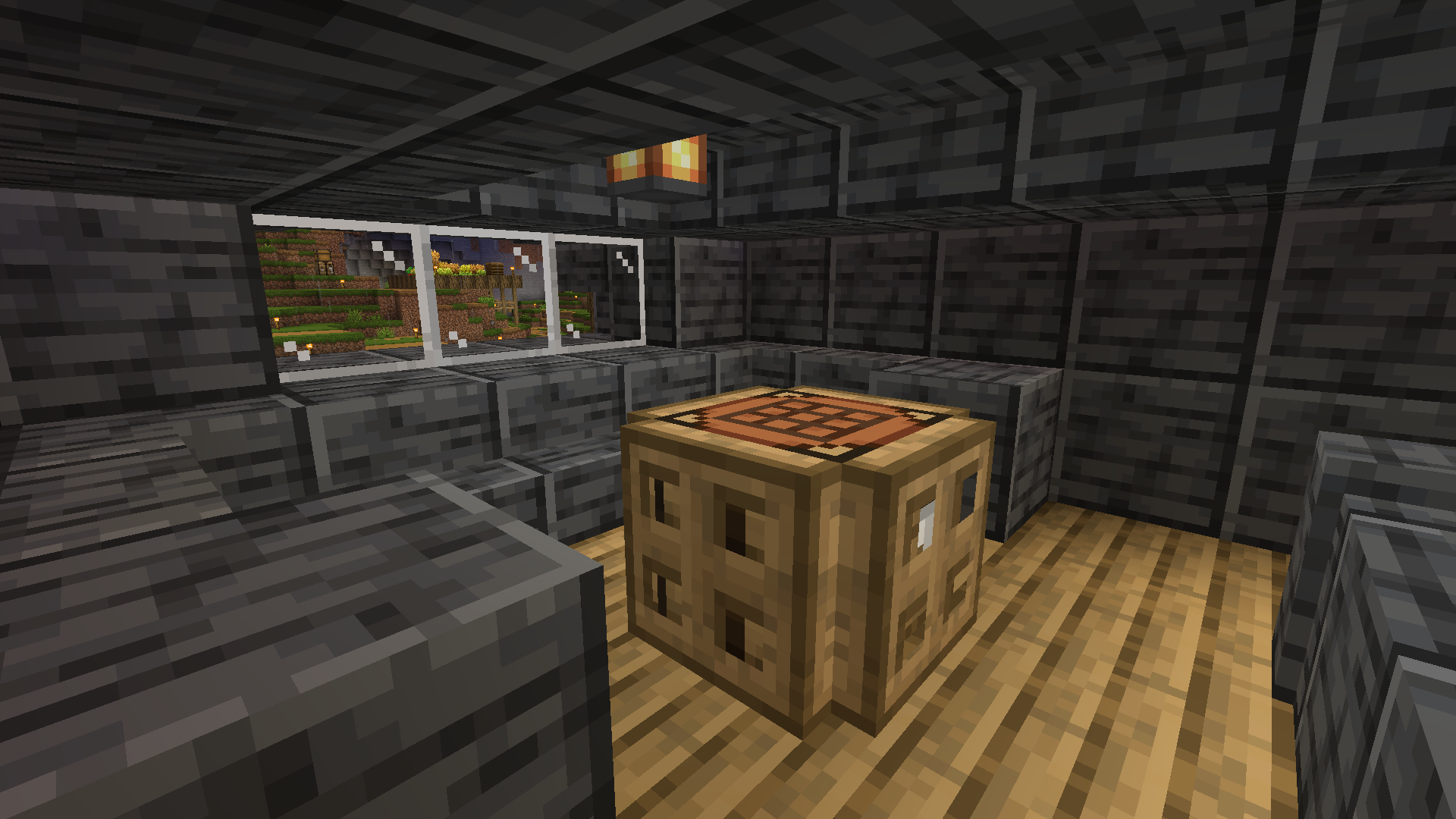
As our house began to fill with junk we created a storage shed for organizing materials, a small stable for breeding animals, and an enchanting table supplied with book-making leather from the animals. We also began a dedicated strip-mining shaft near the house.
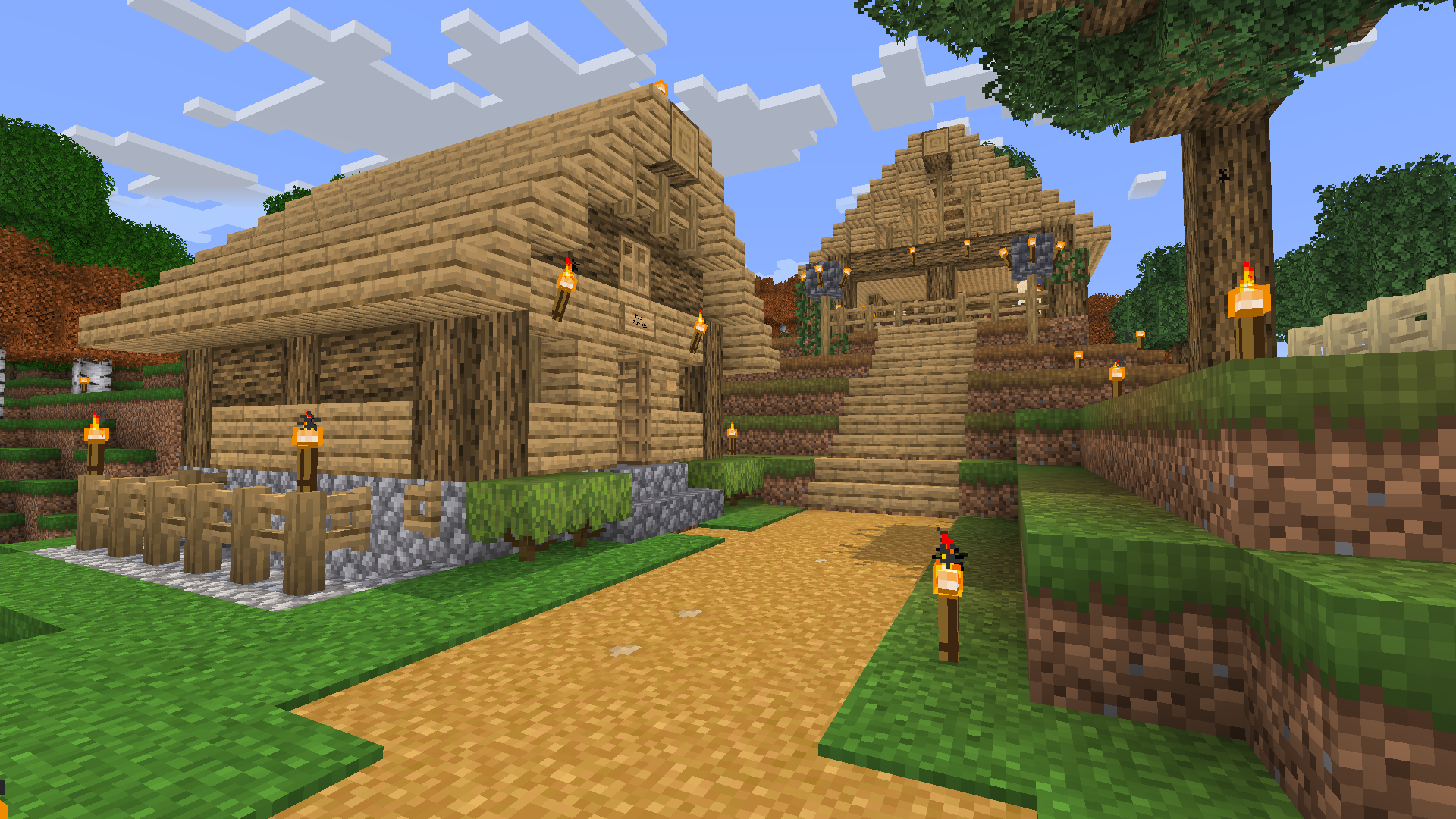
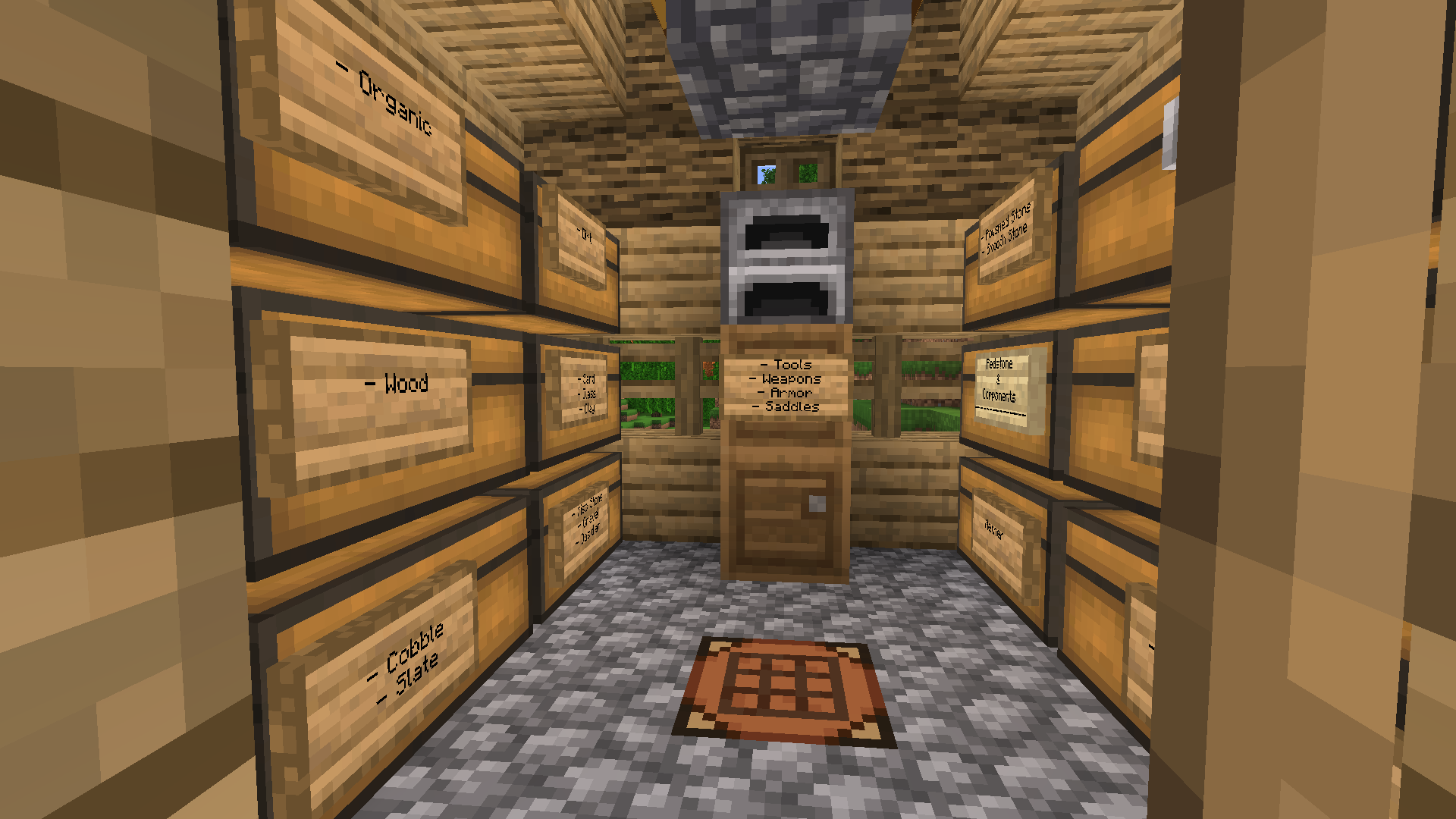
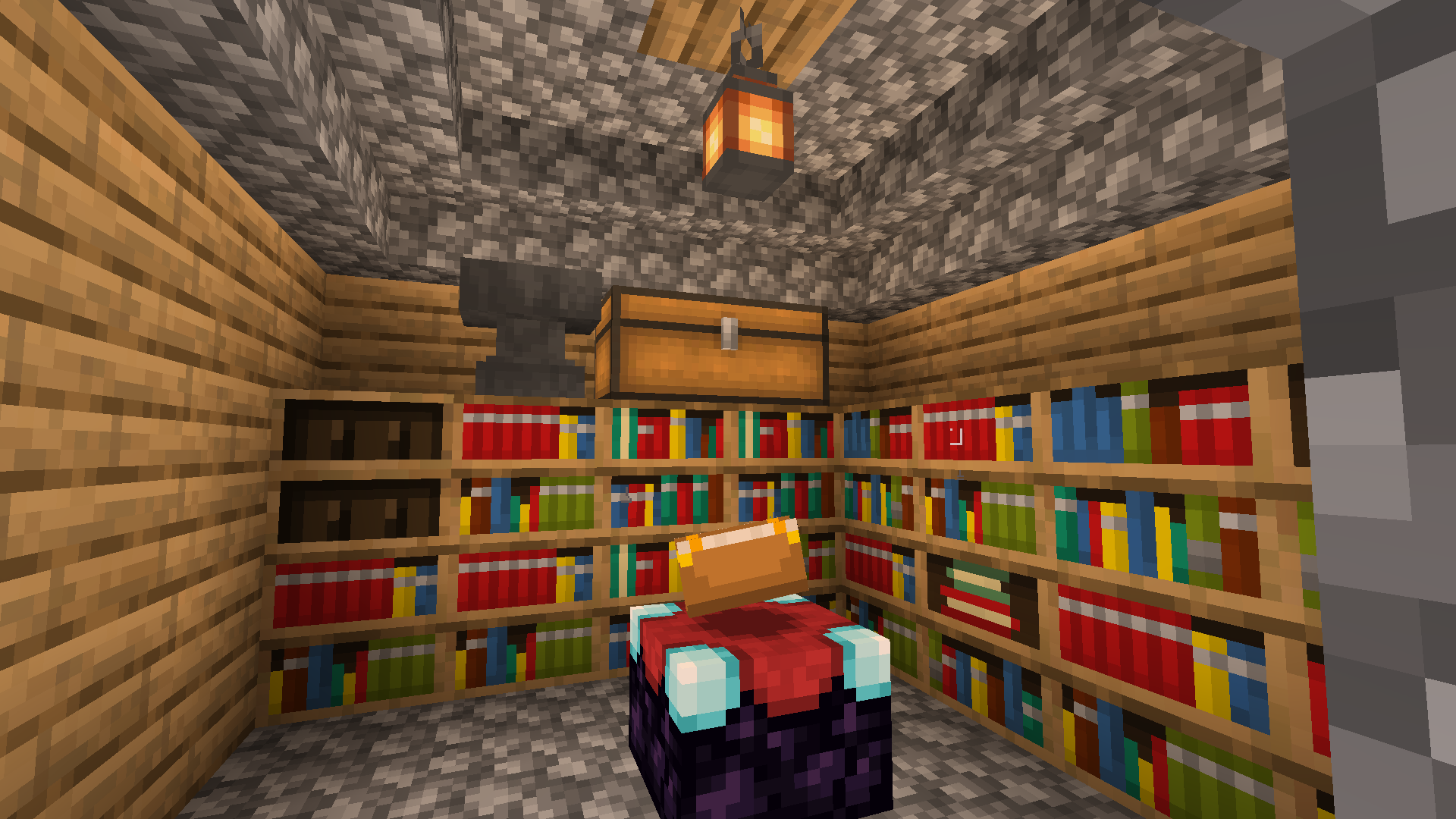
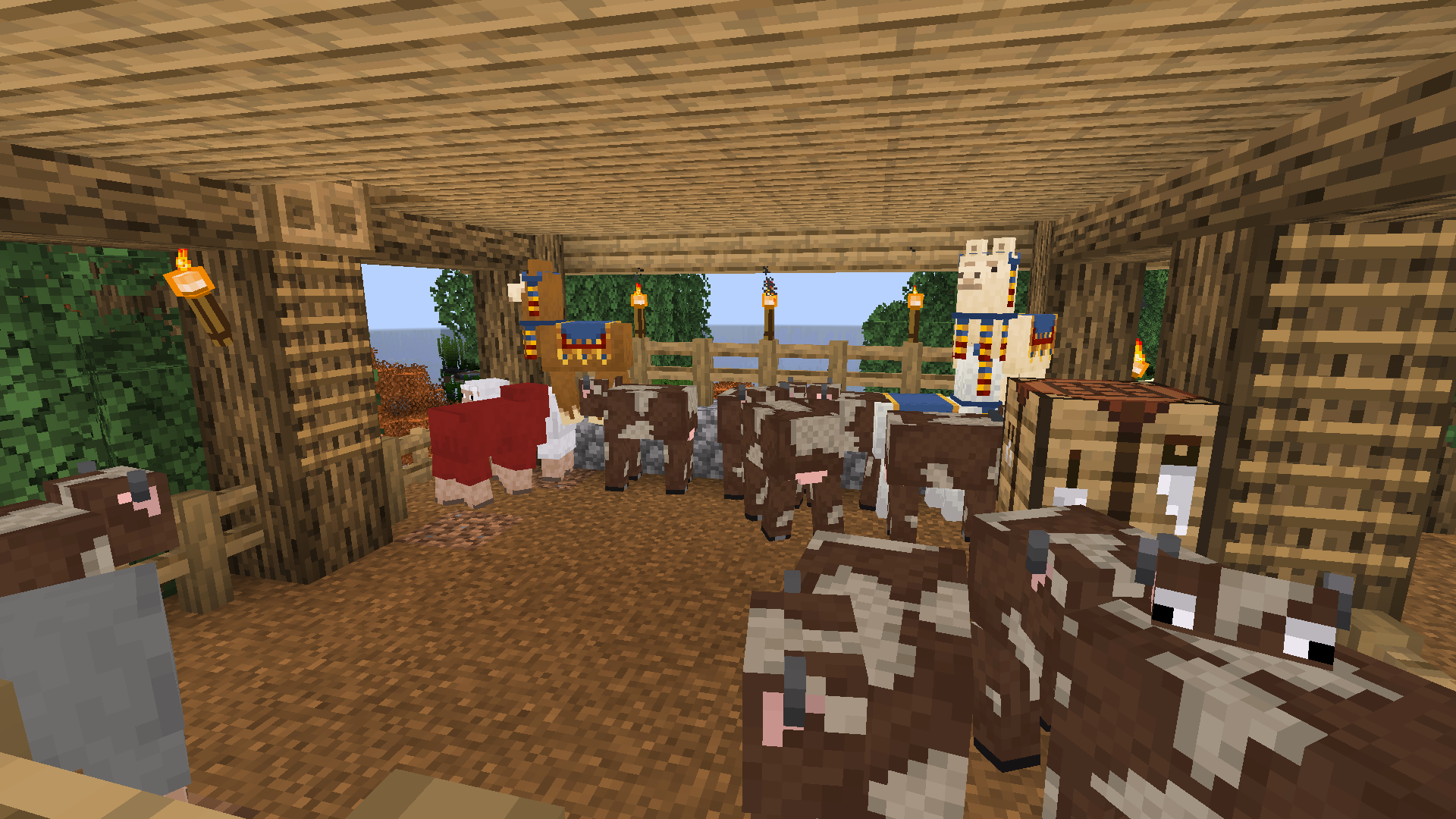
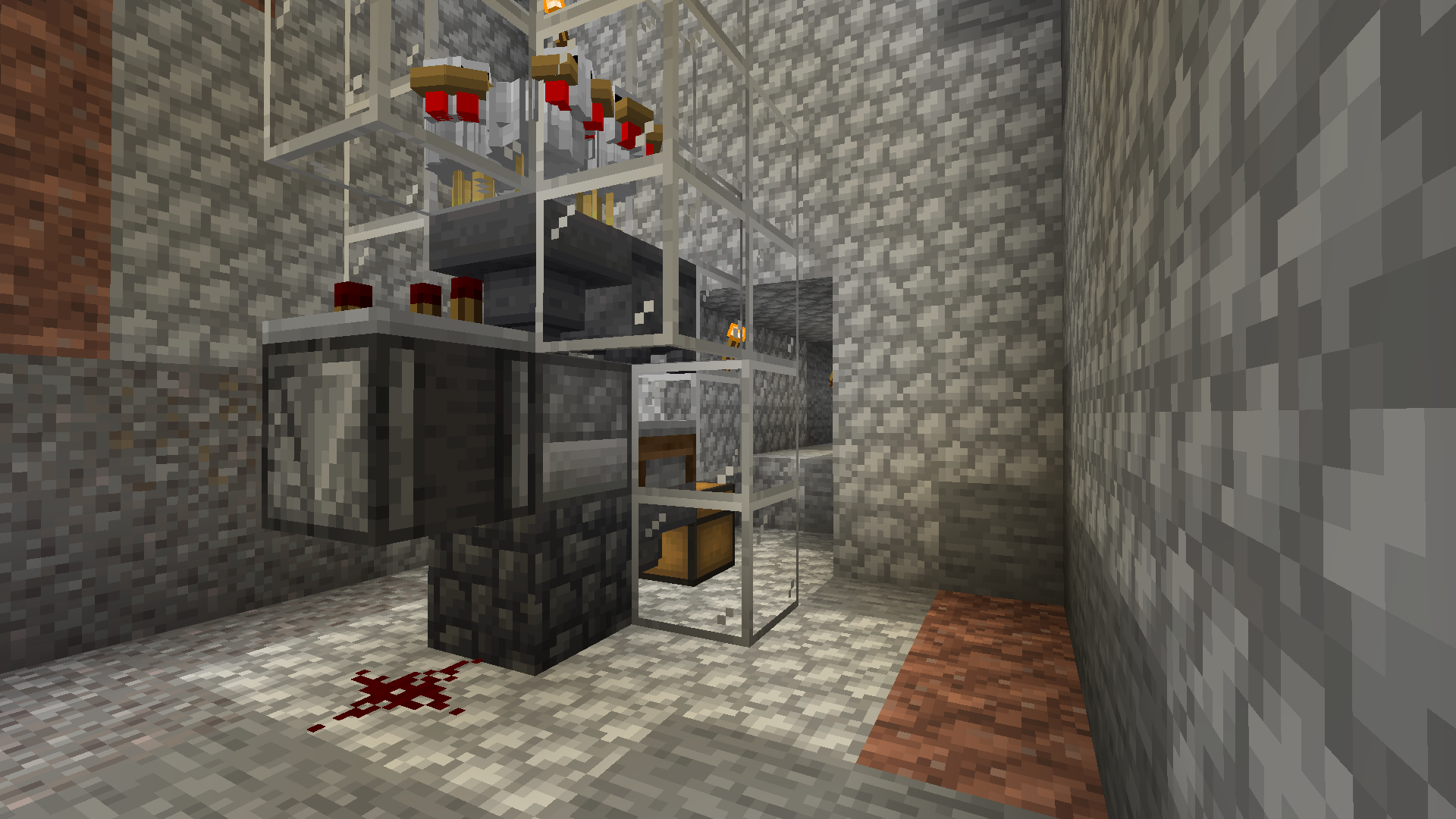
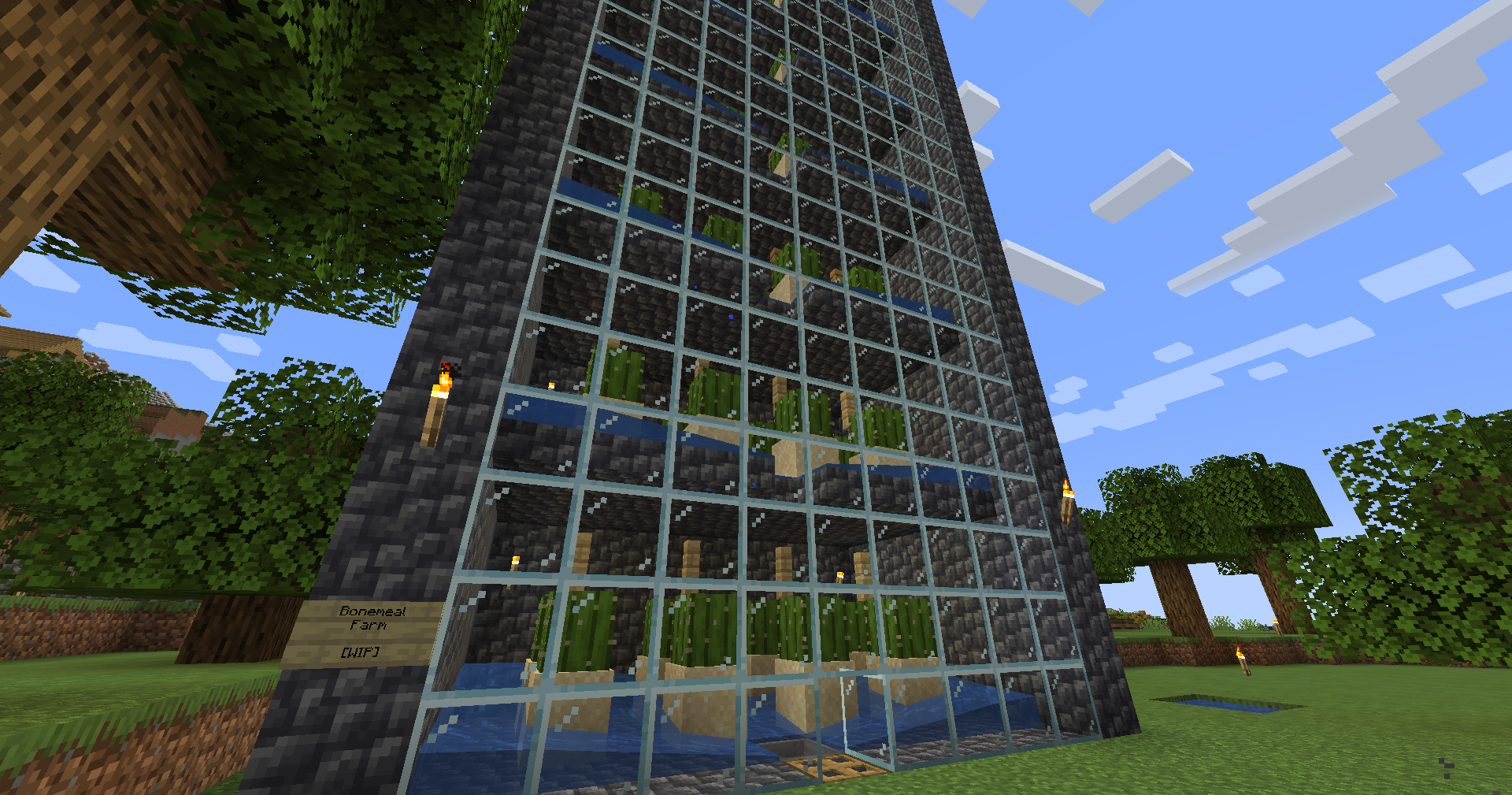
The chicken pen soon turned into an automatic grinder as a faster source of food and arrow fletchings, and a cactus composter was built in the nearby field to support farming.
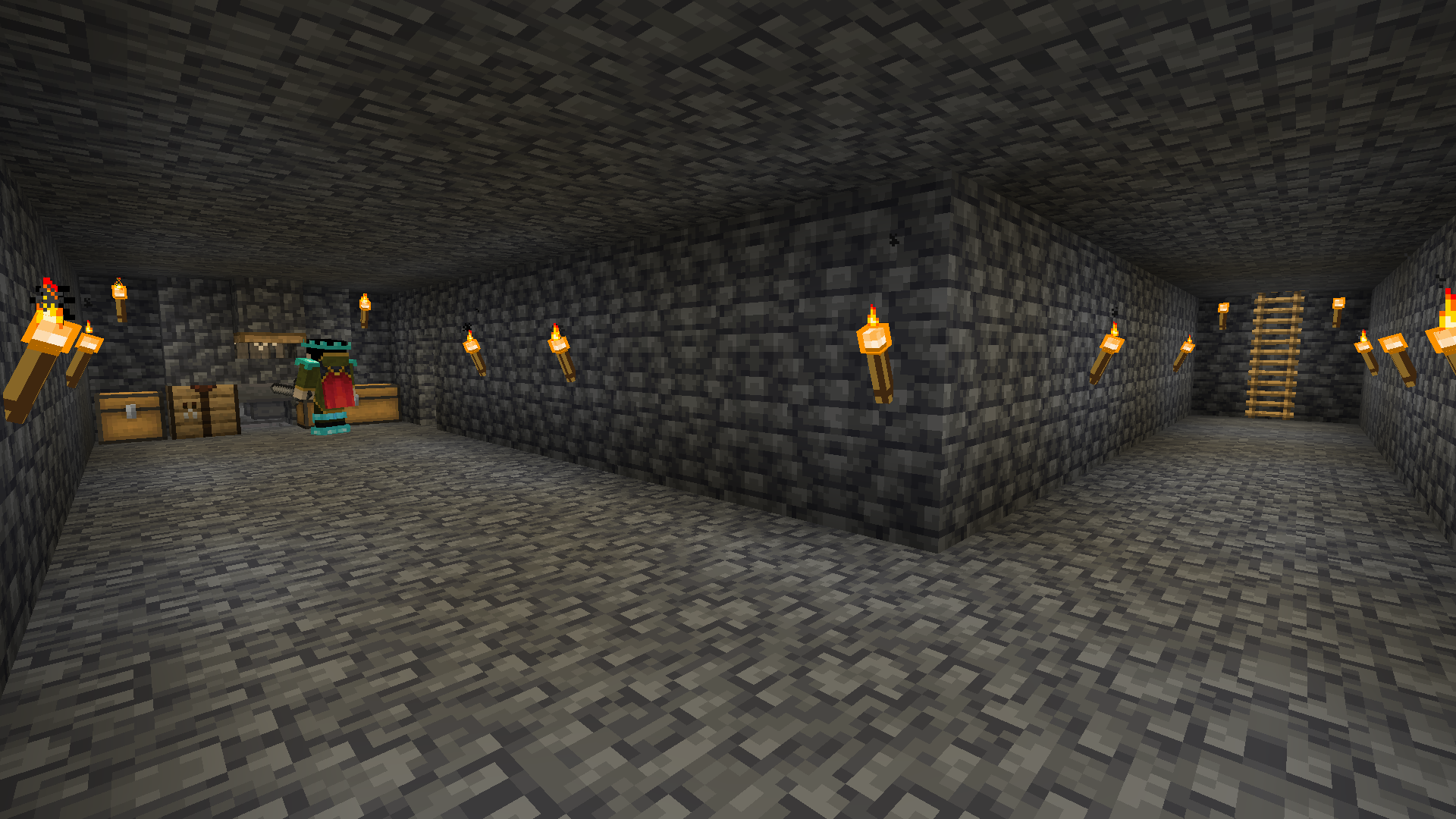
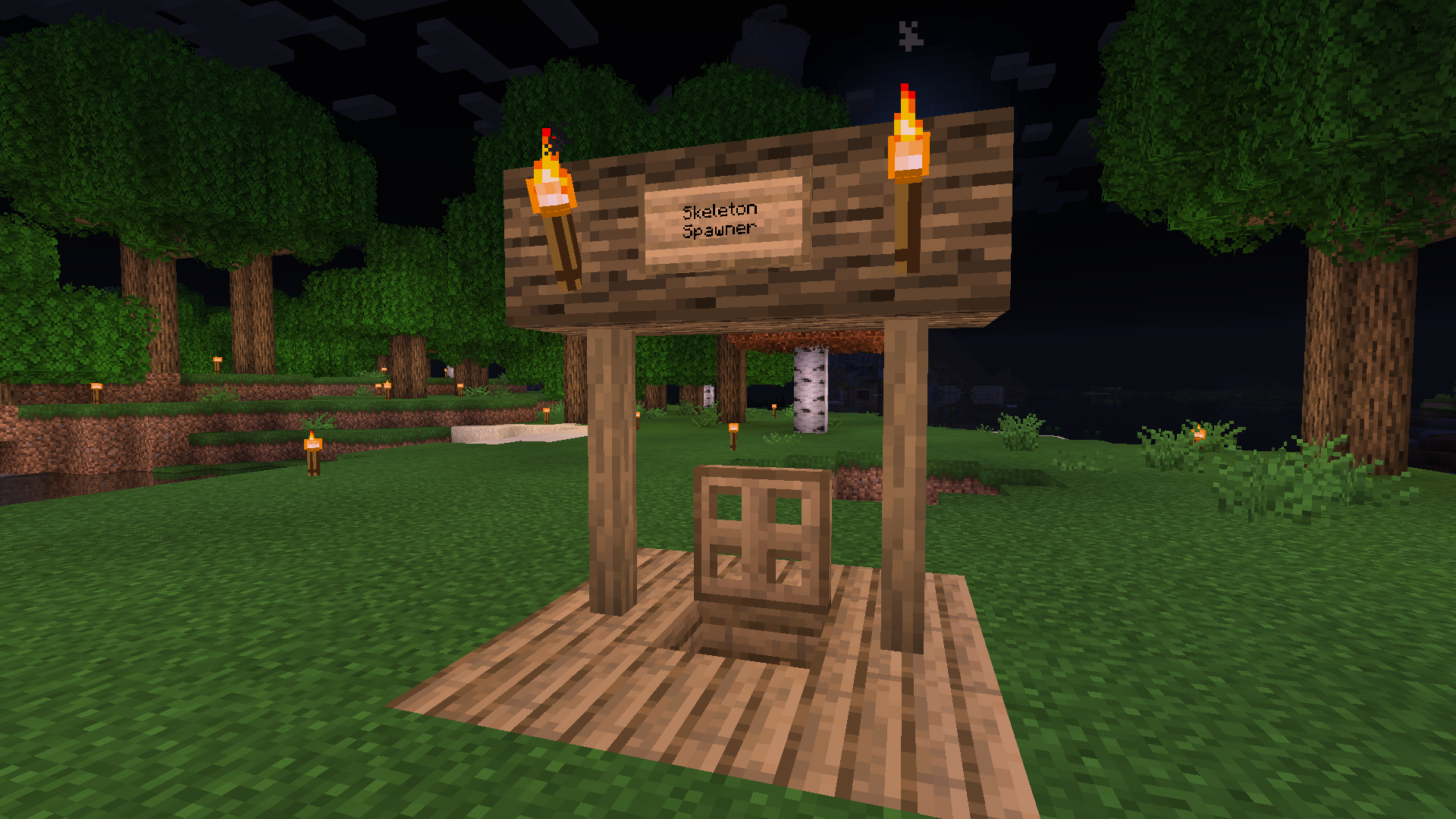
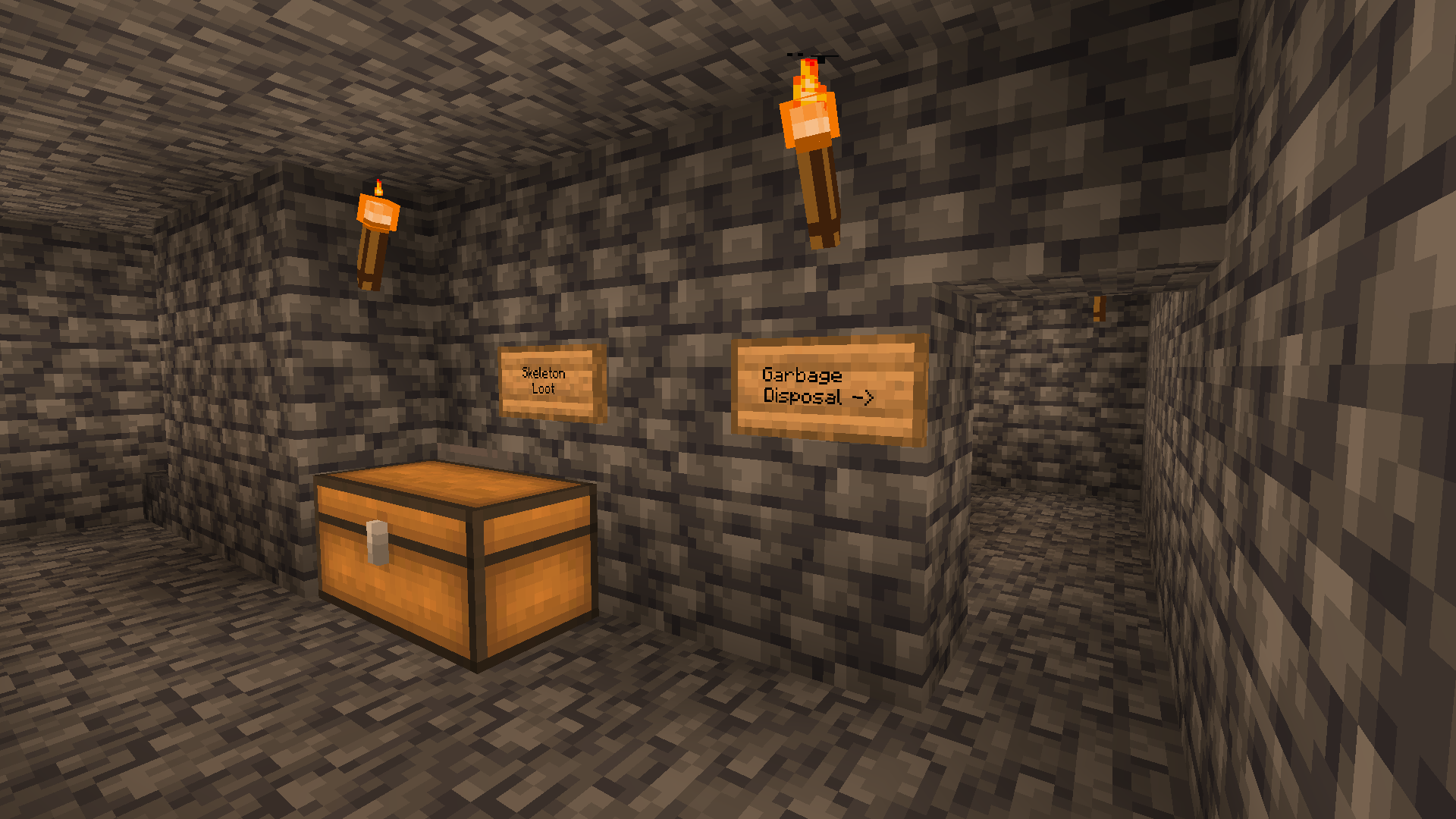
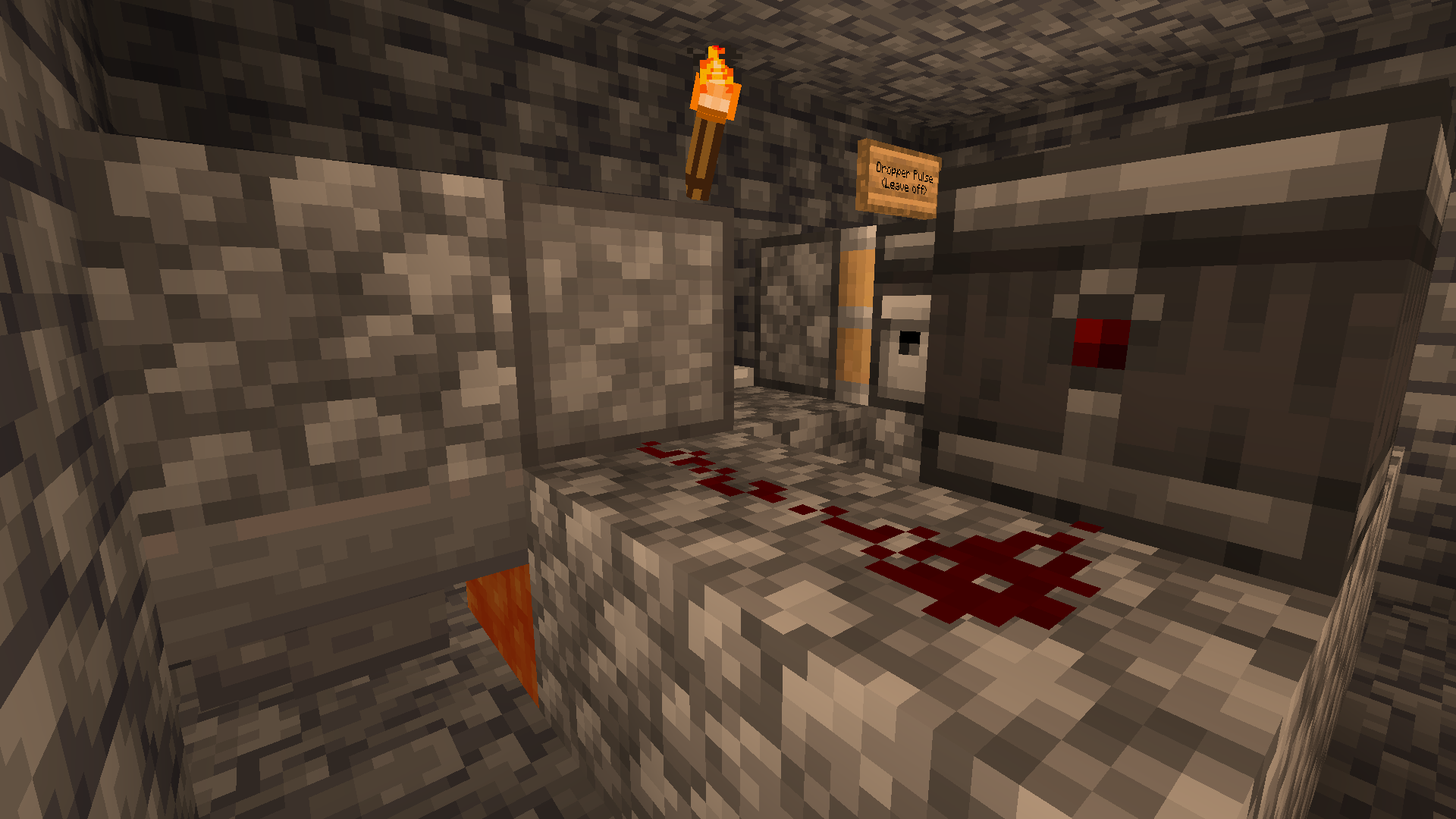
A skeleton spawner was discovered via strip mine and turned into an xp farm, largely eliminating the need for the aforementioned grinders. A golem grinder was also created using captured villagers for sustained iron production.
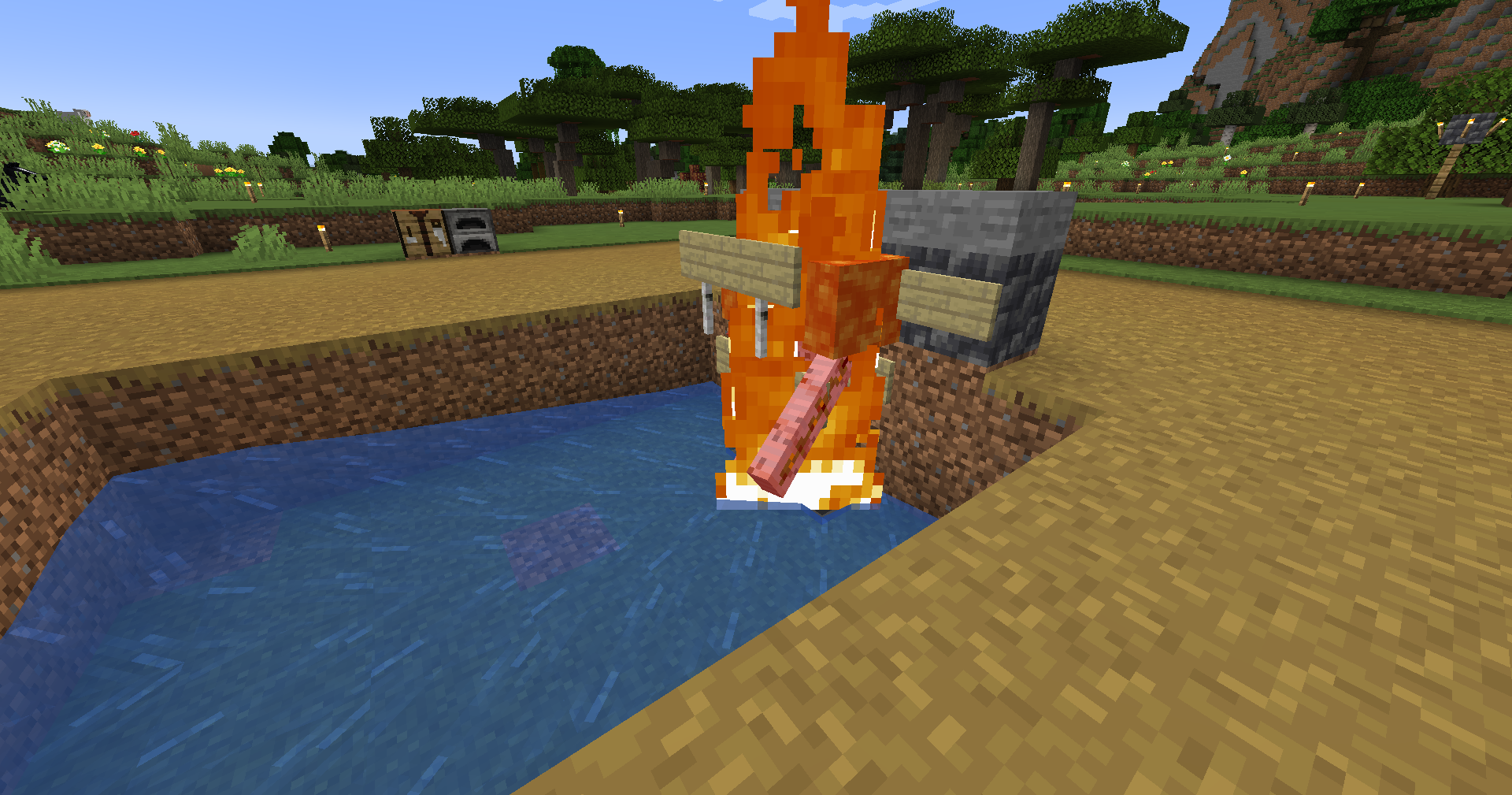
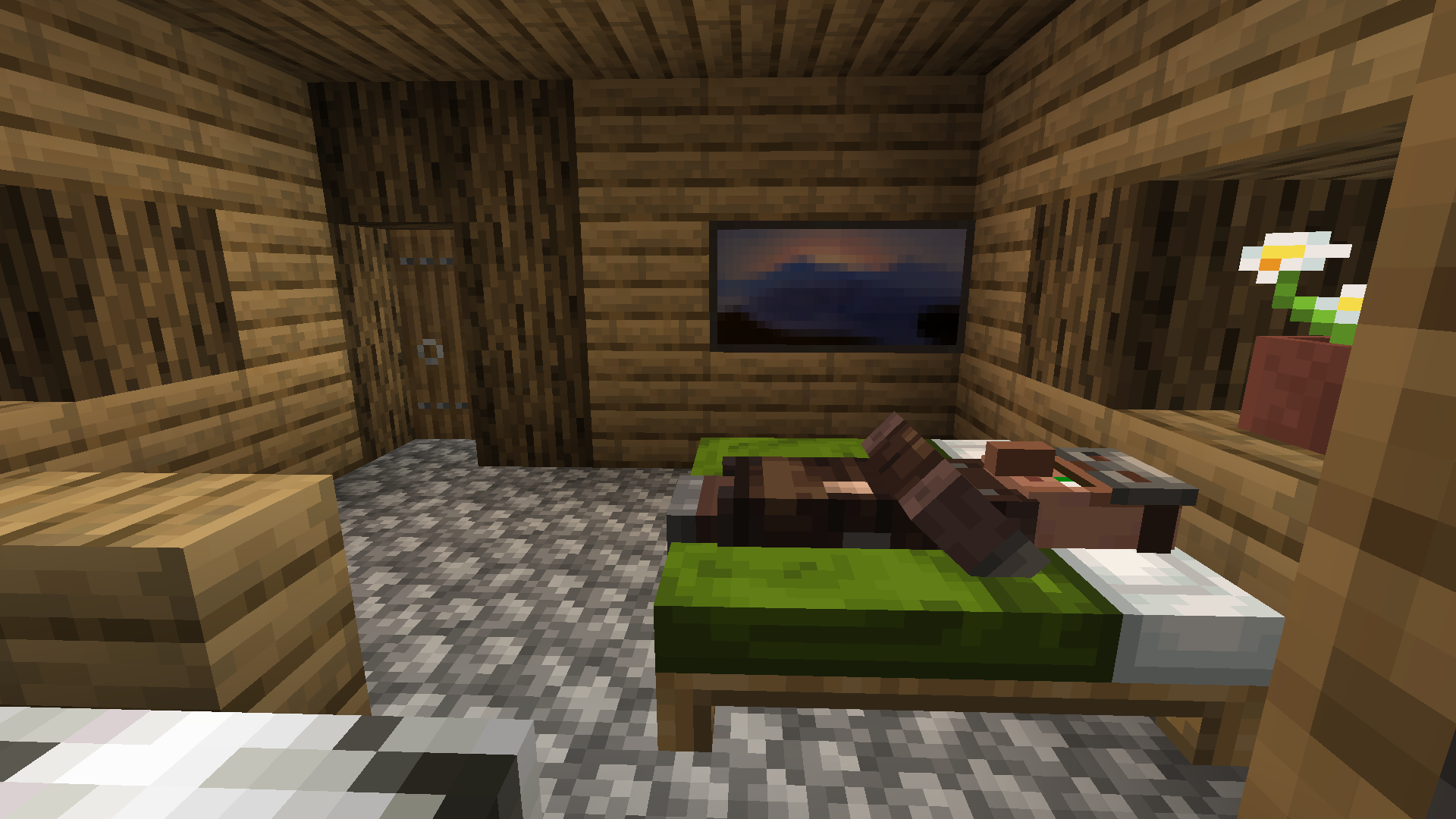
The village farmers provided enough emeralds to trade with a few wandering merchants for some useful resources. However, the entire village was eventually wiped out by a zombies, leaving us without a ready source of emeralds.
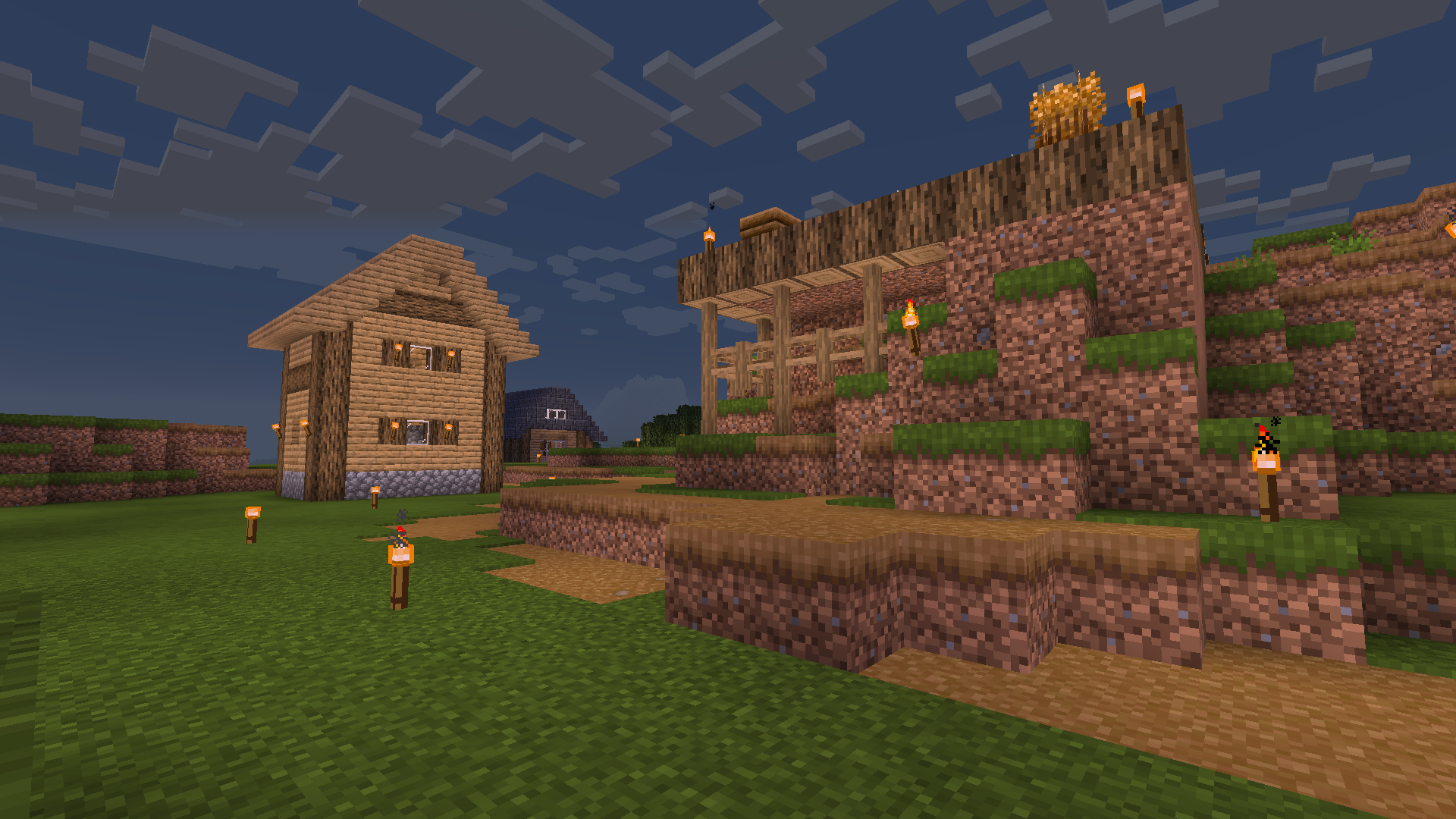
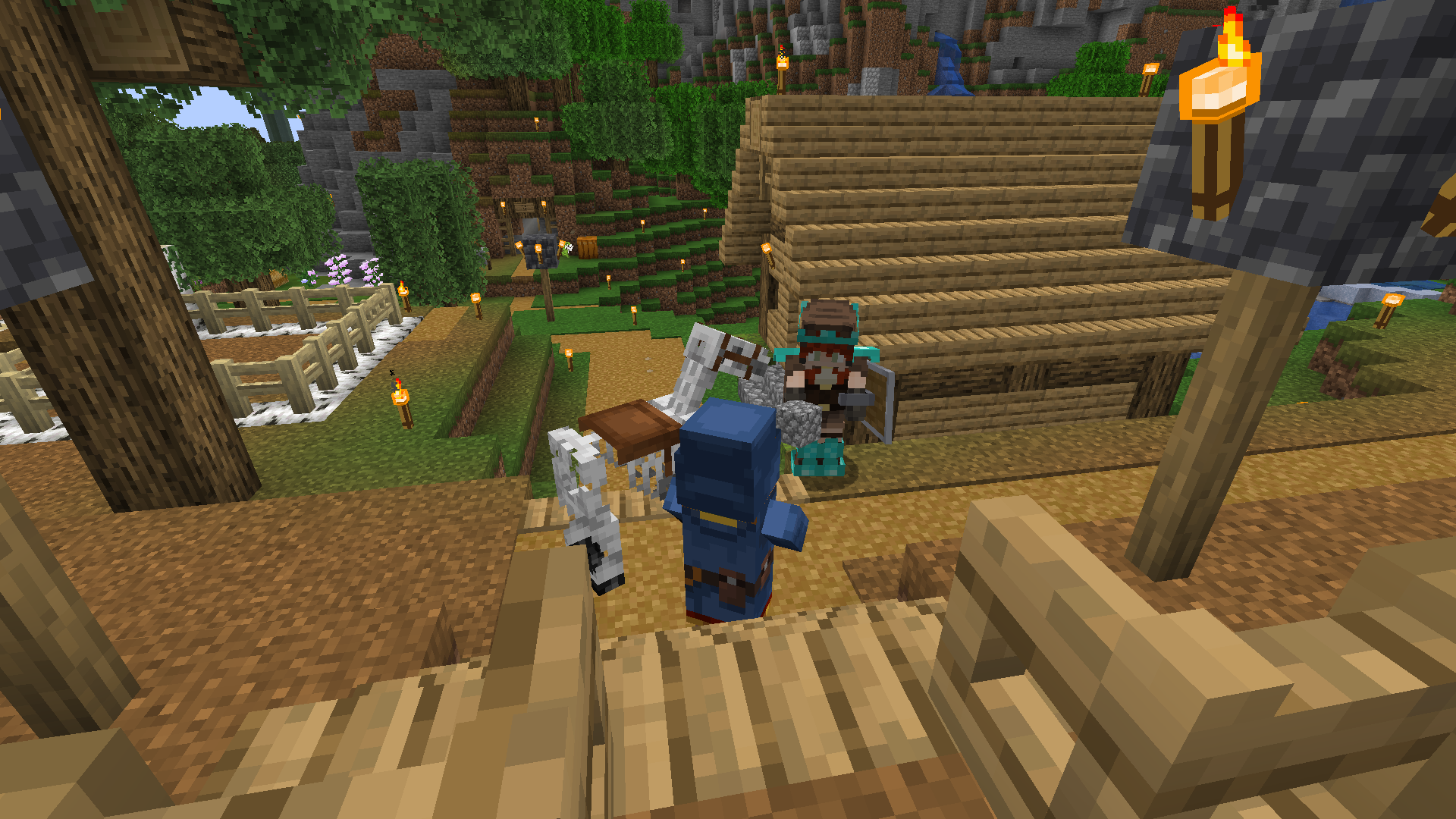
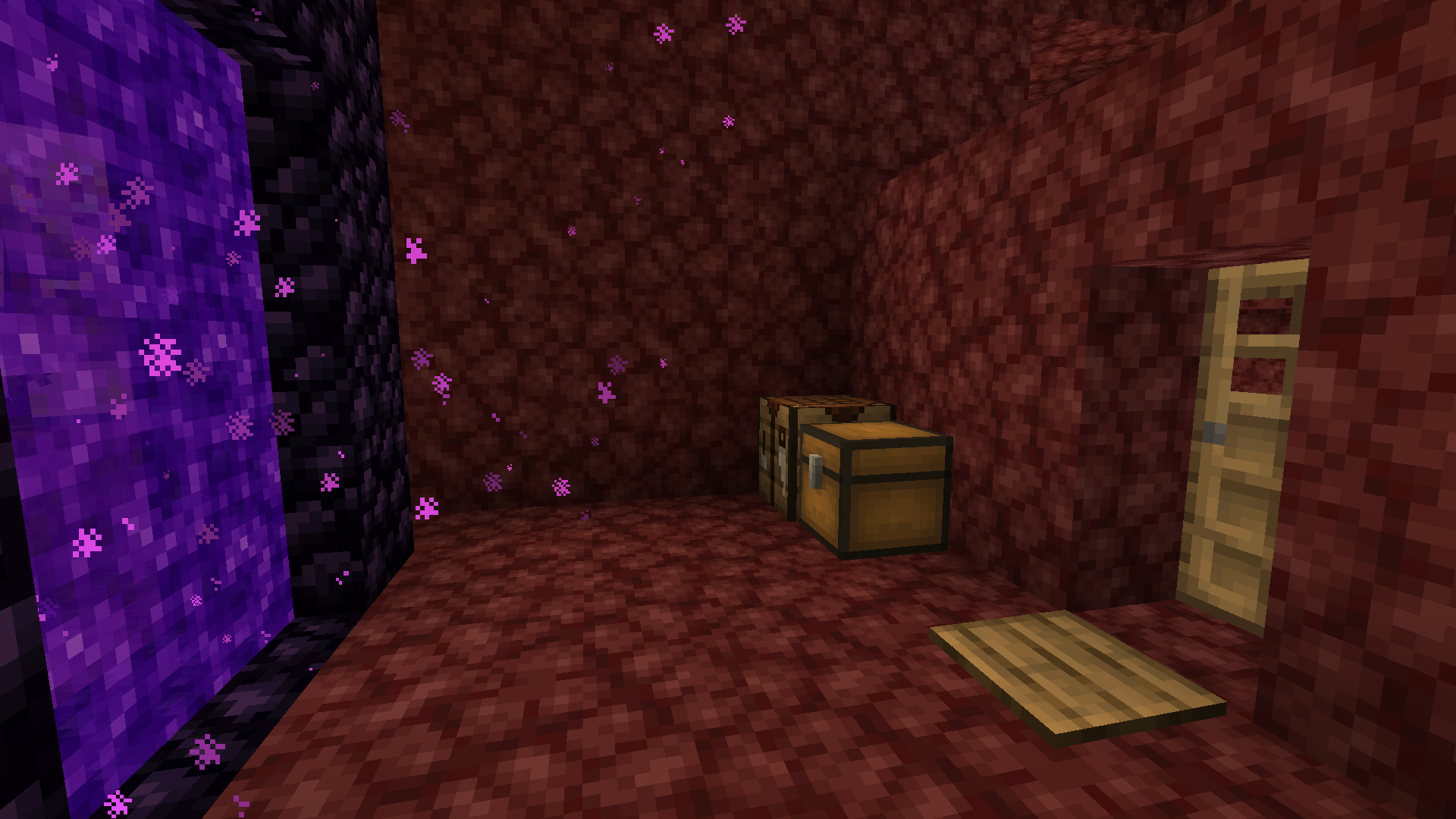
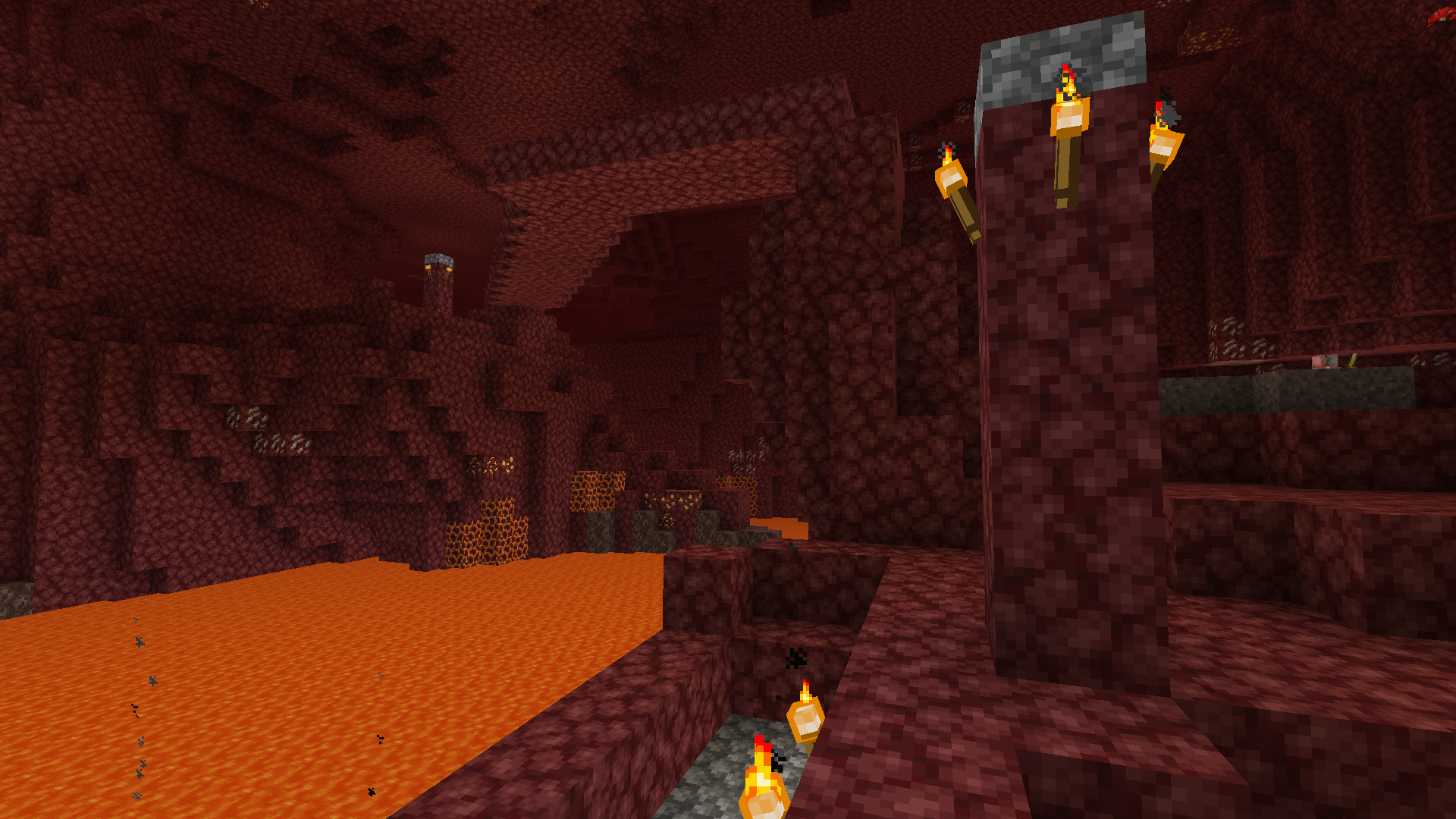
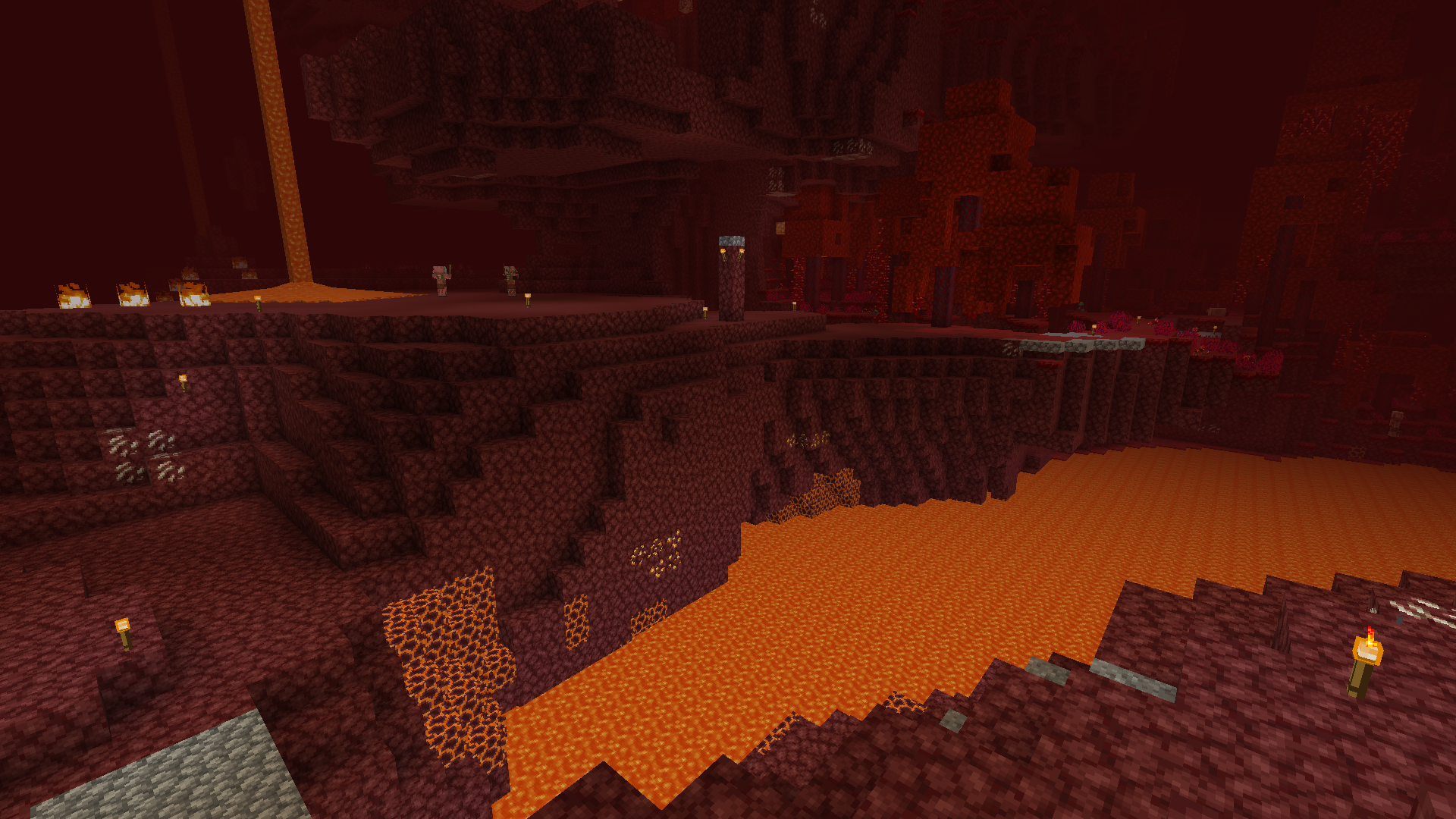
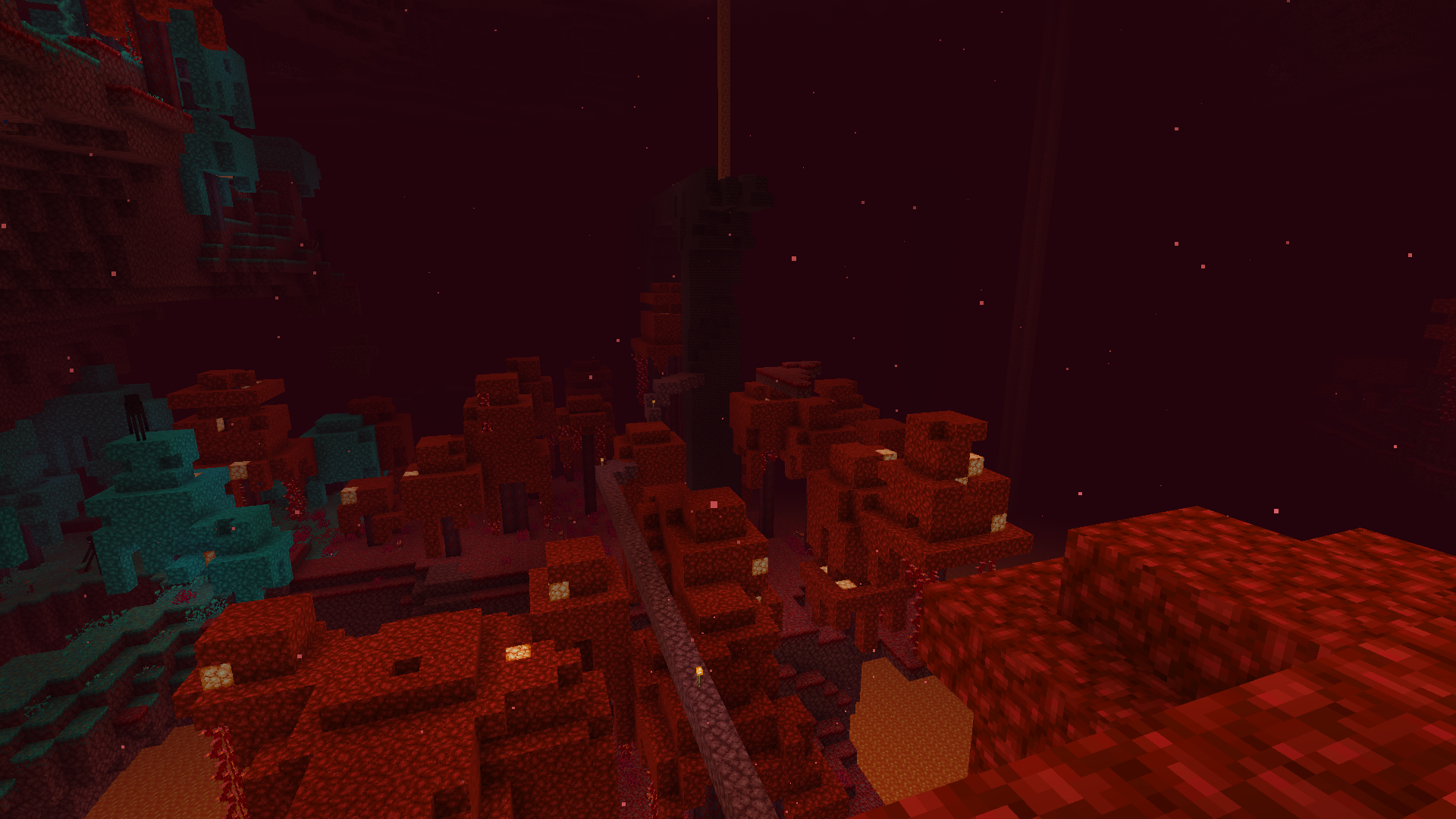
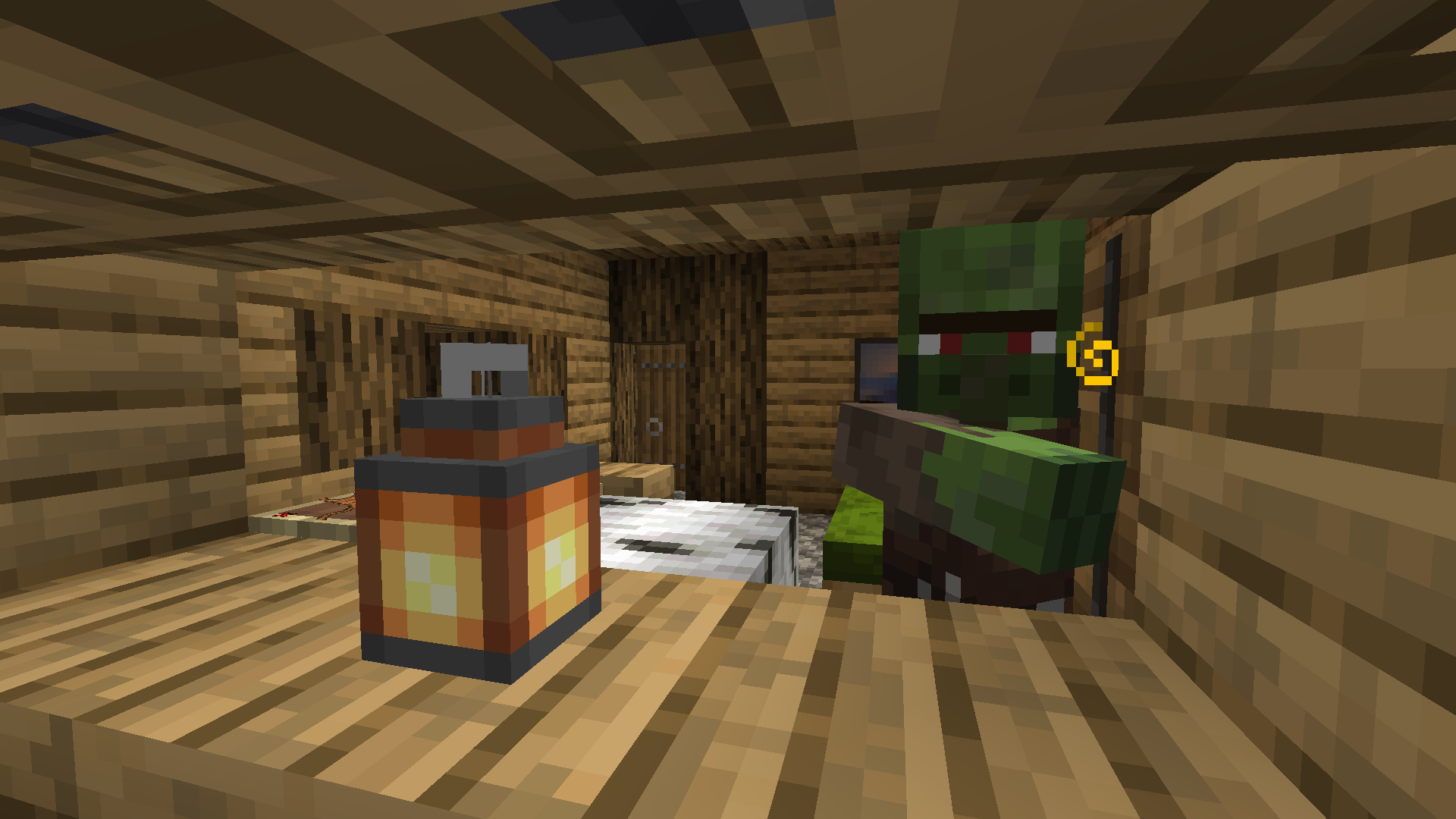
A fortress was quickly discovered and a small treacherous road was drawn out from the first portal to allow regular access. A handful of blaze rods from the fortress allowed the brewing of zombie cures which restored a farmer and a blacksmith to the village (one of whom was proximately killed again).
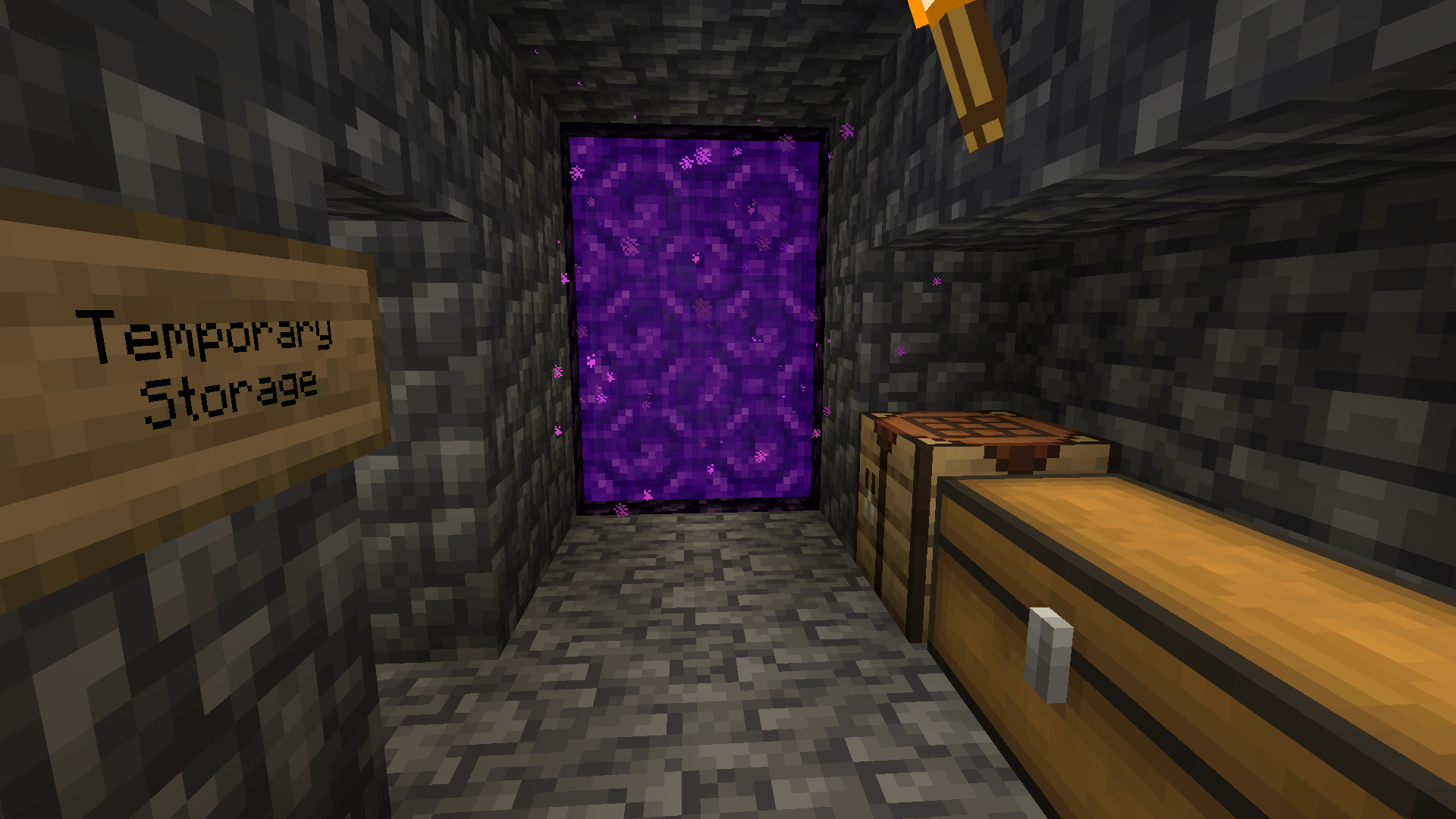
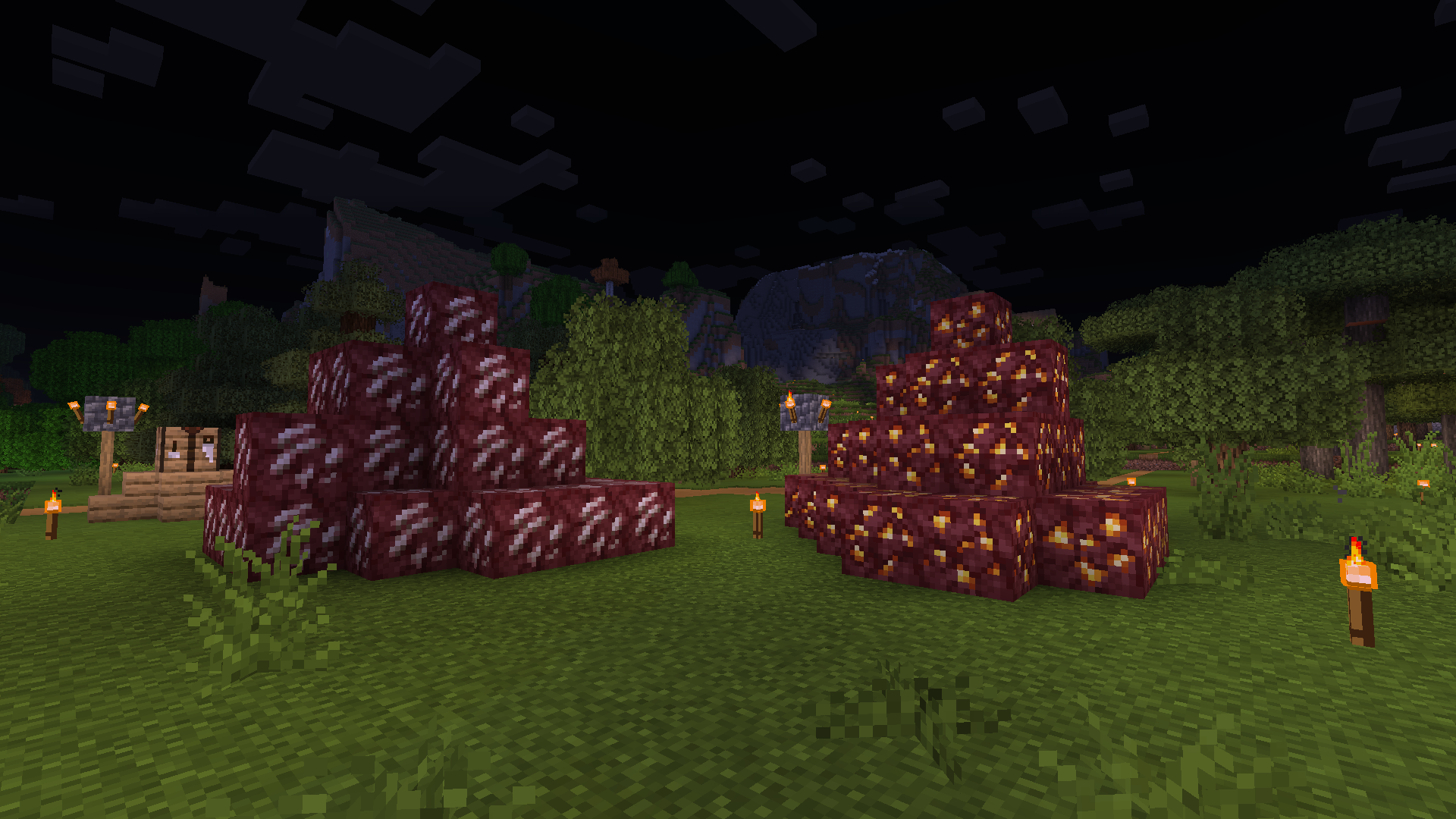
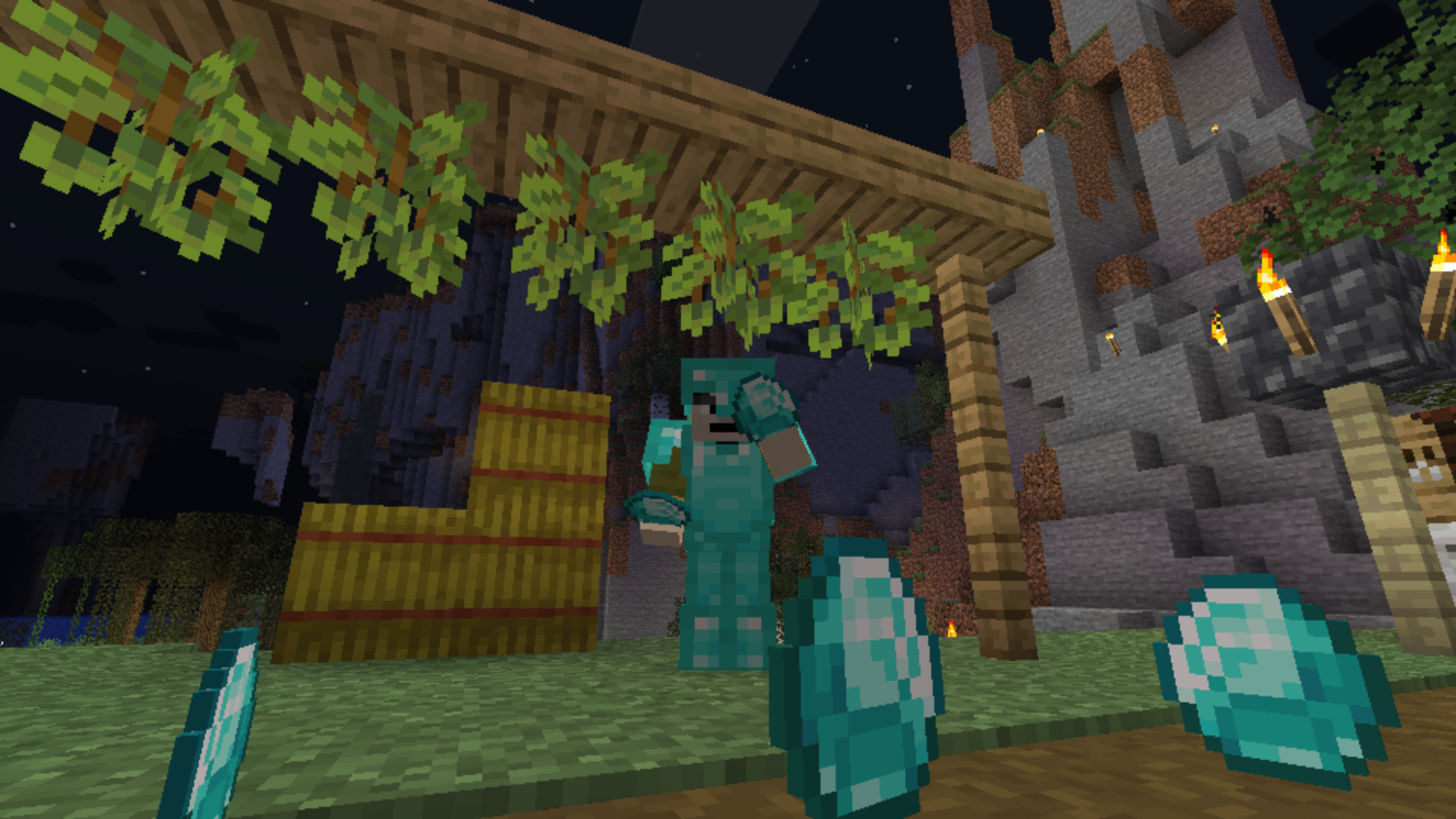
The xp farm facilitated the creation of silk touch and fortune enchantments, making us rich with minerals and top-tier armor and tools, including infinity bows and more effective mining equipment.
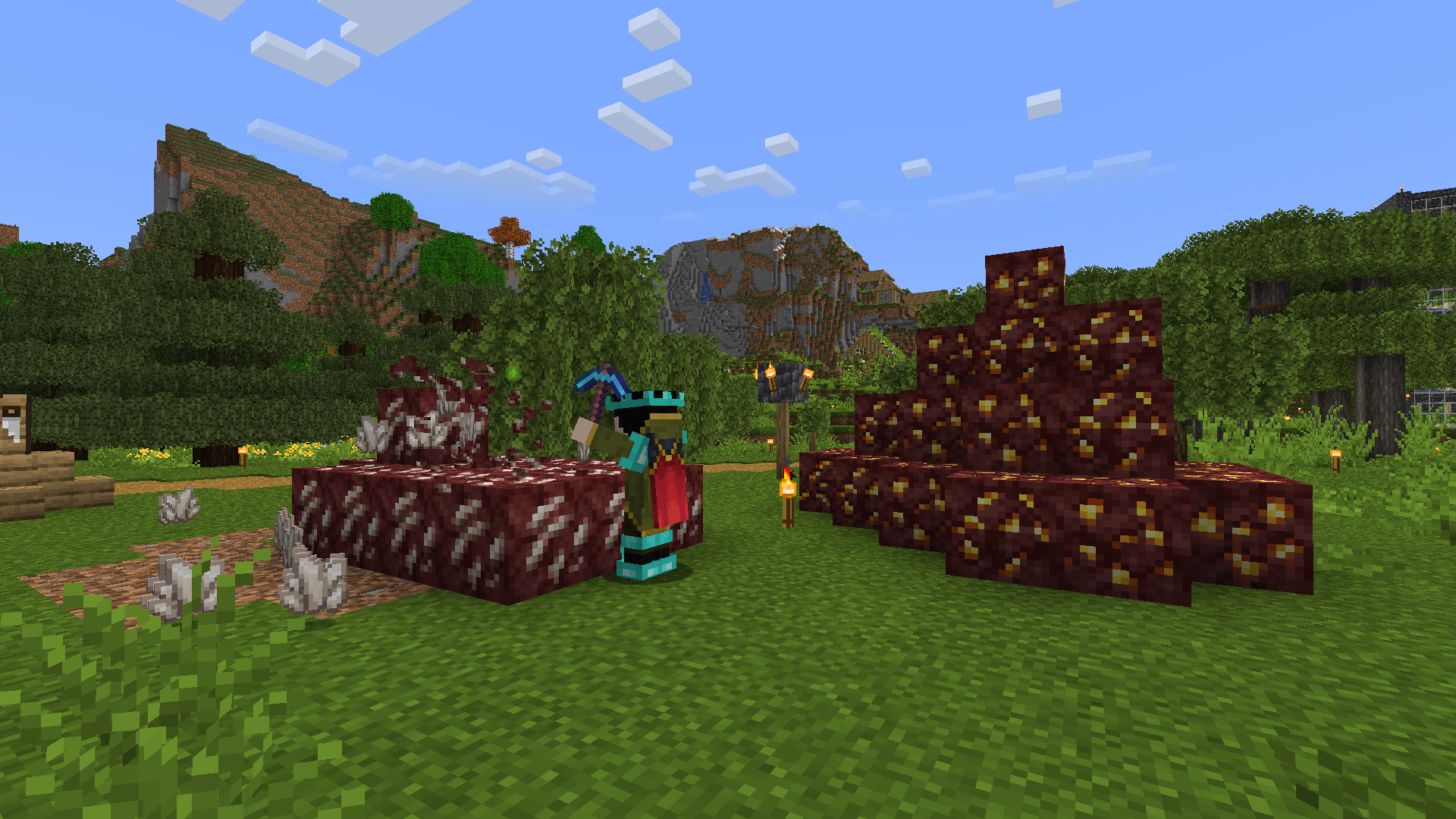
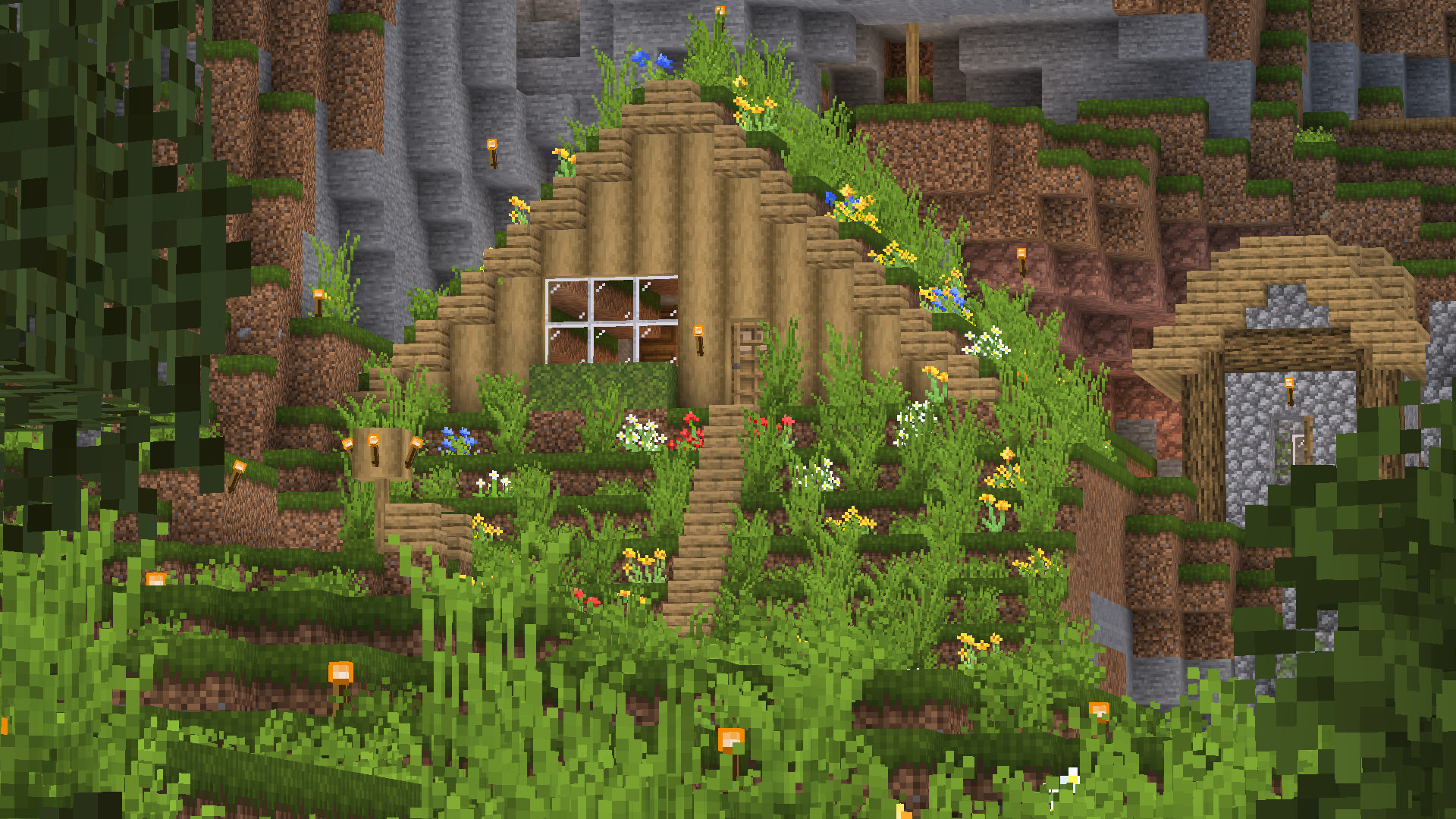
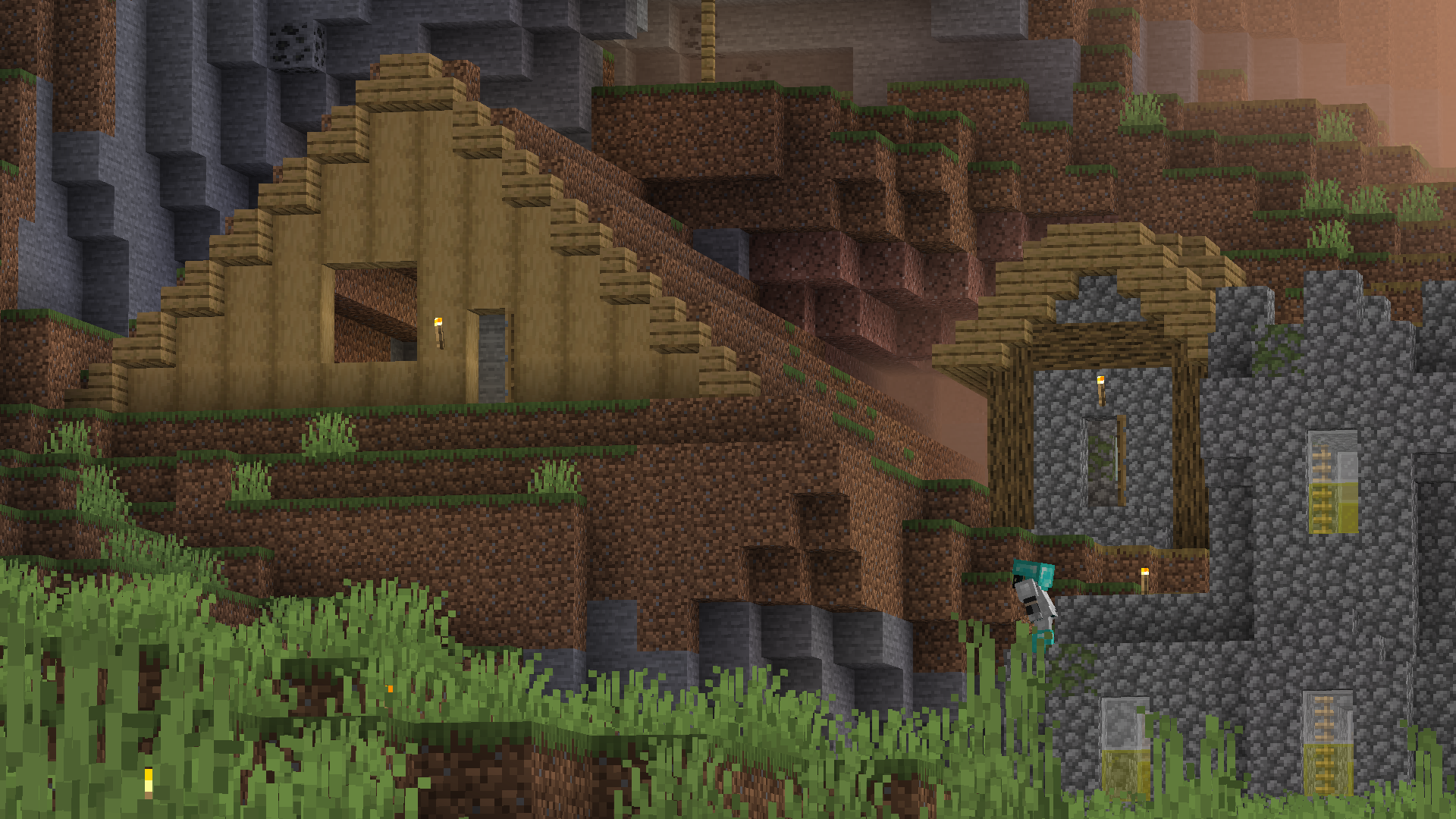
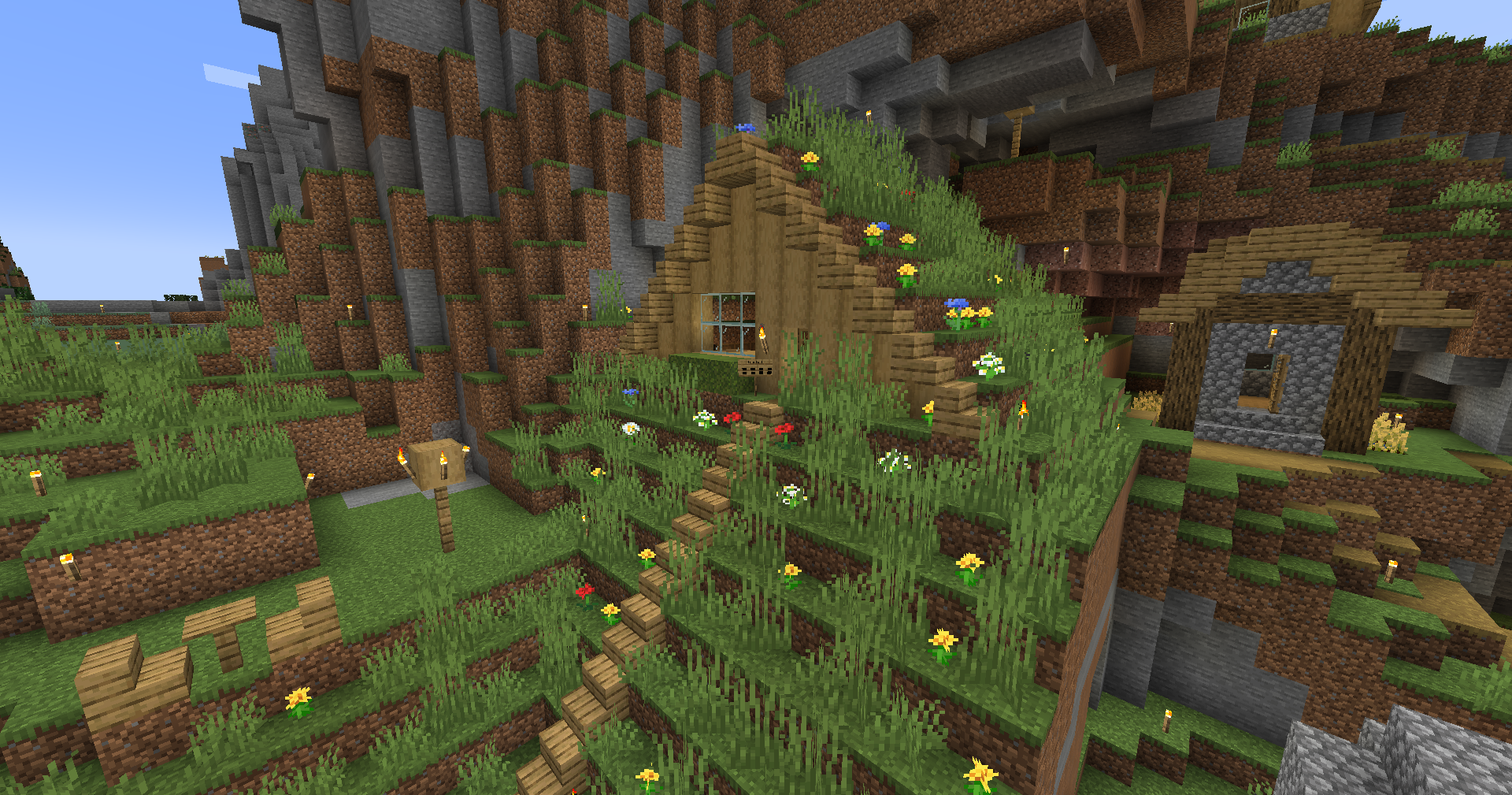
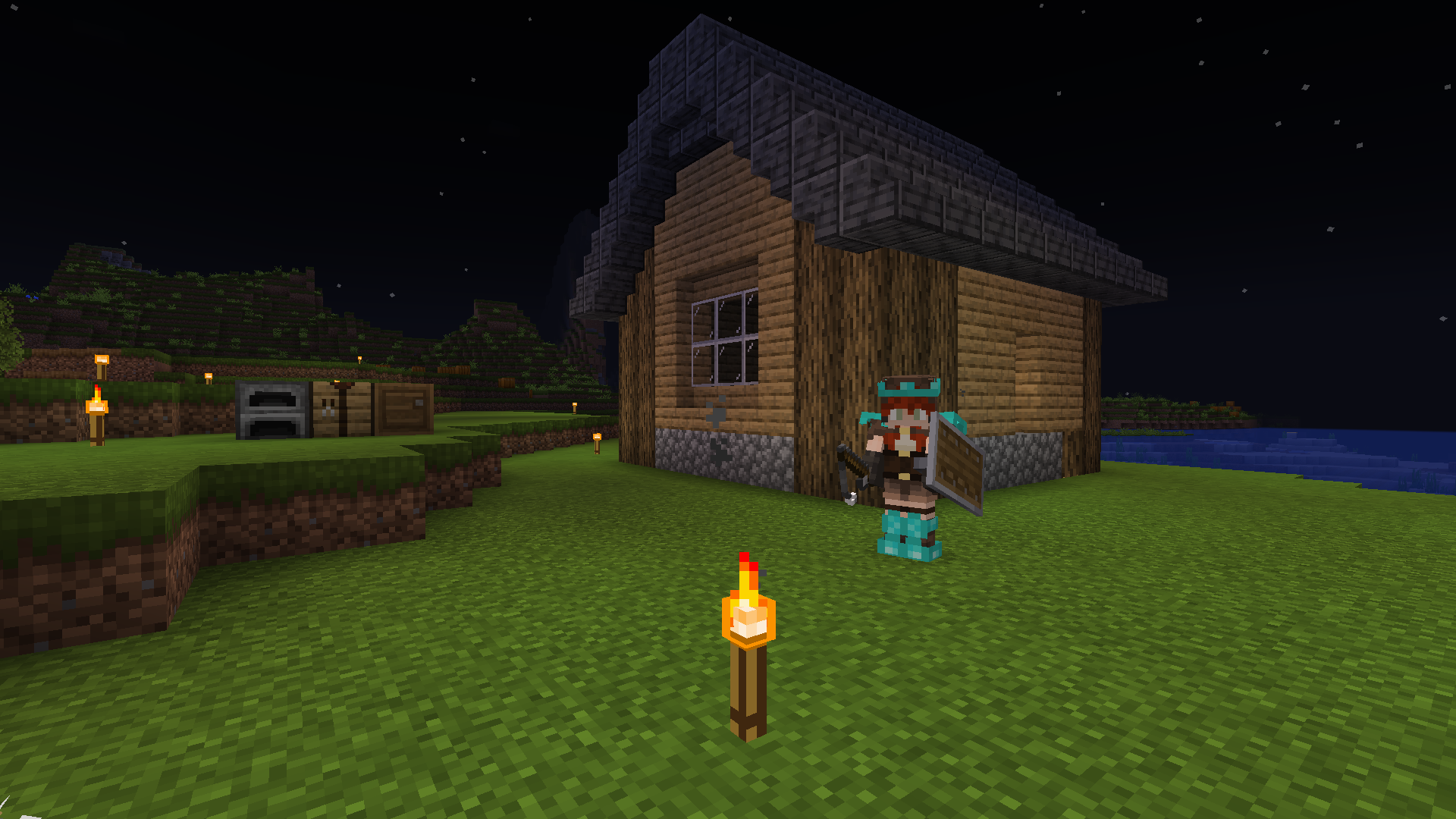
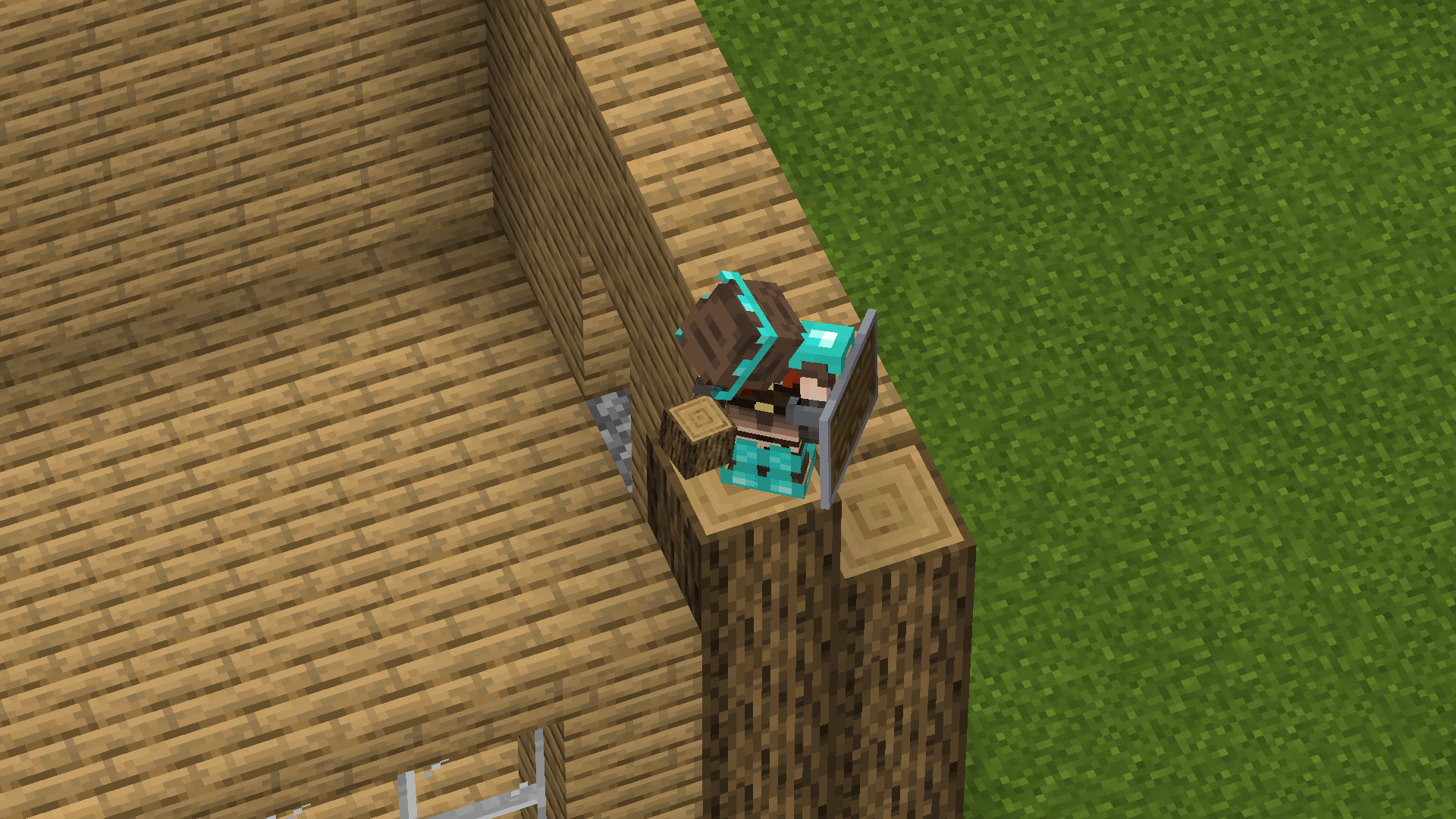
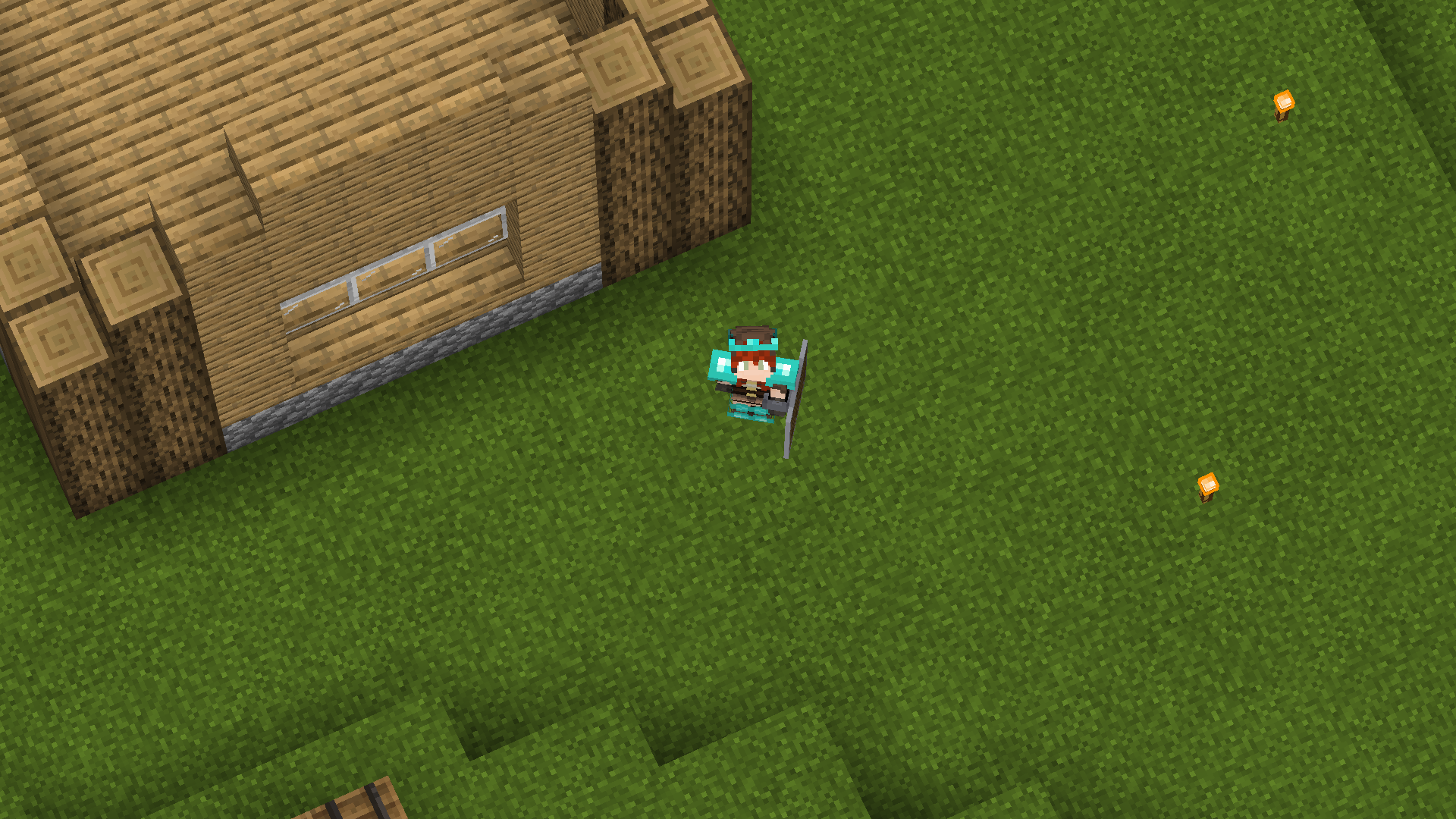
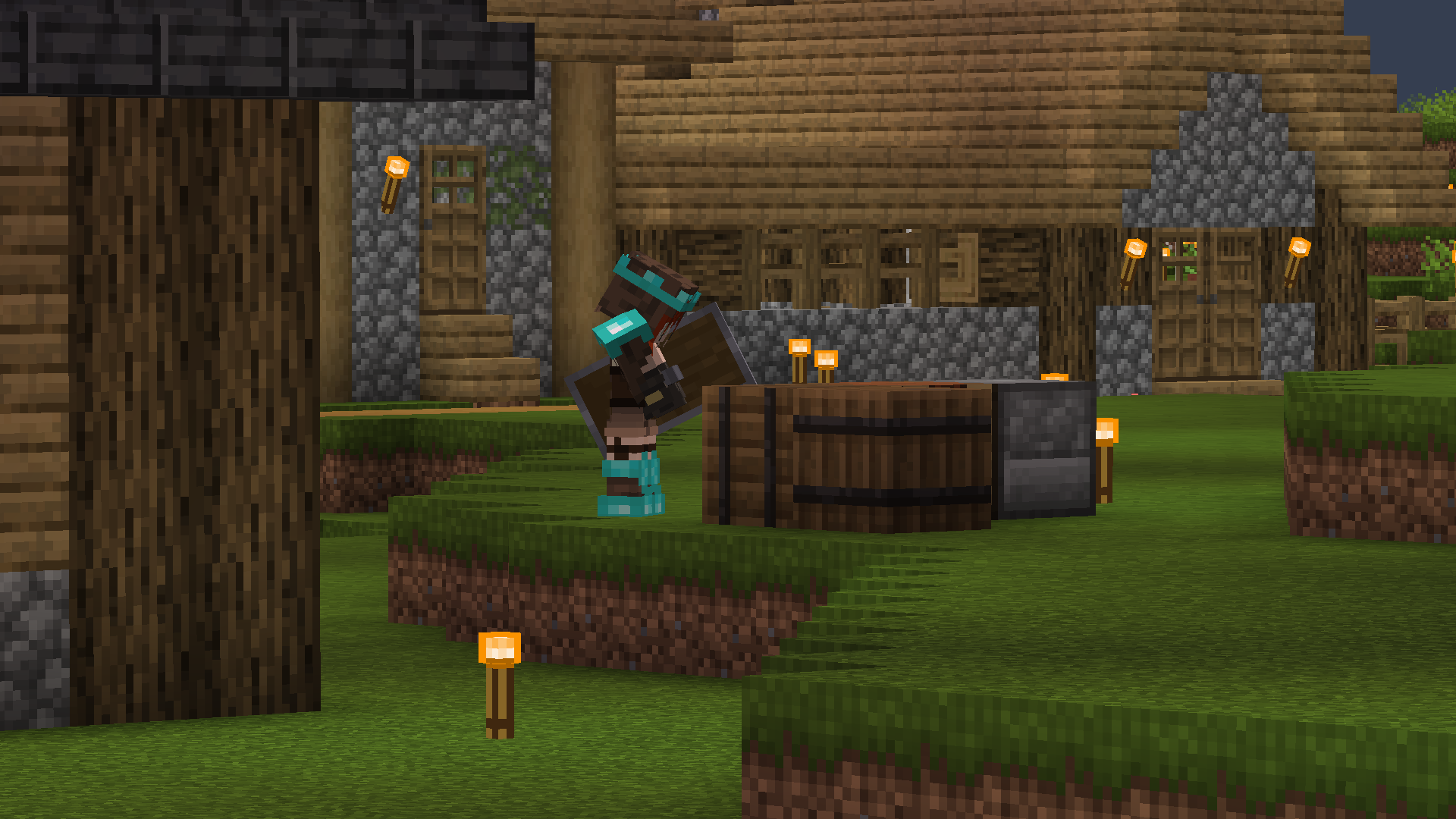
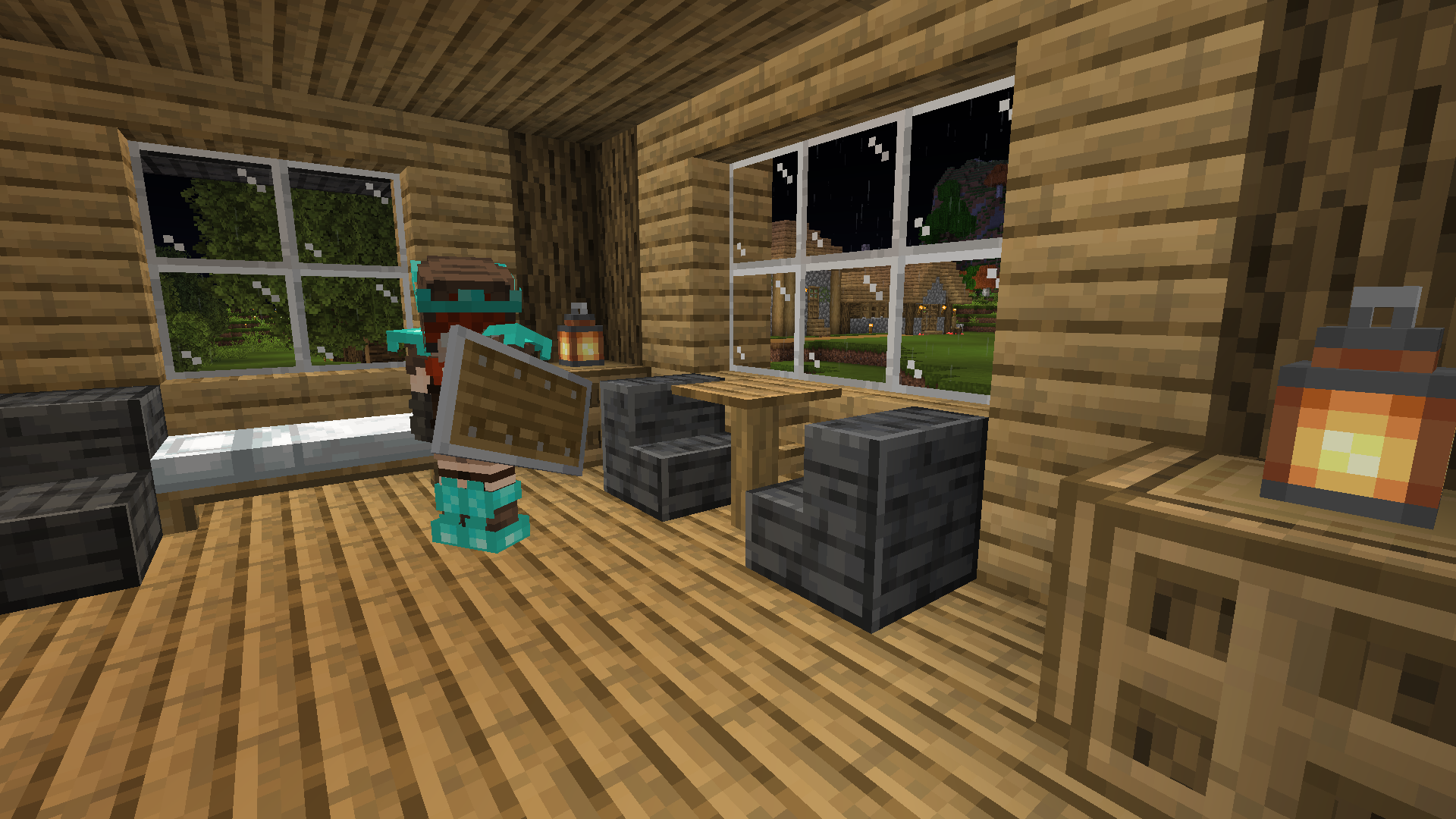
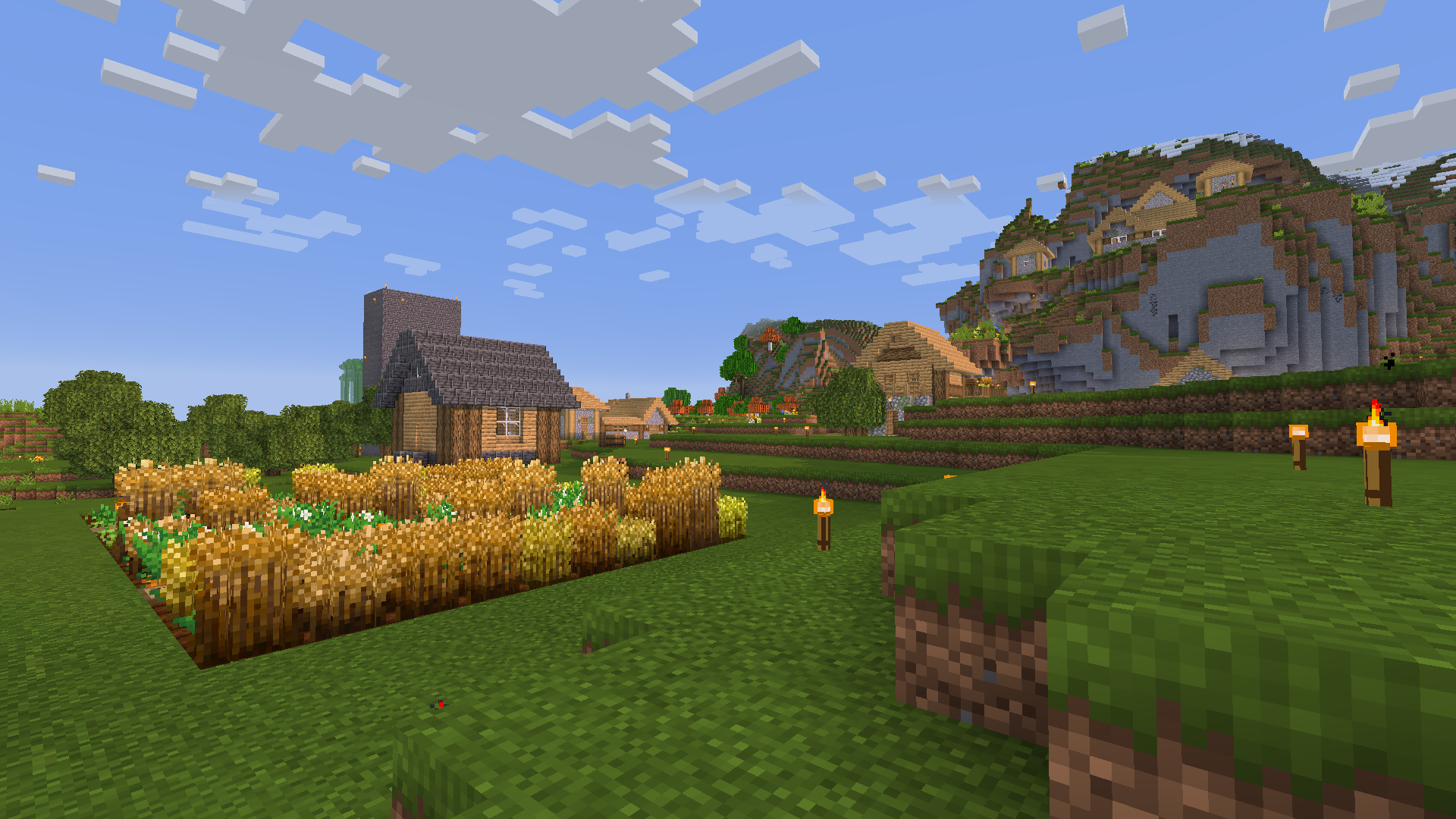
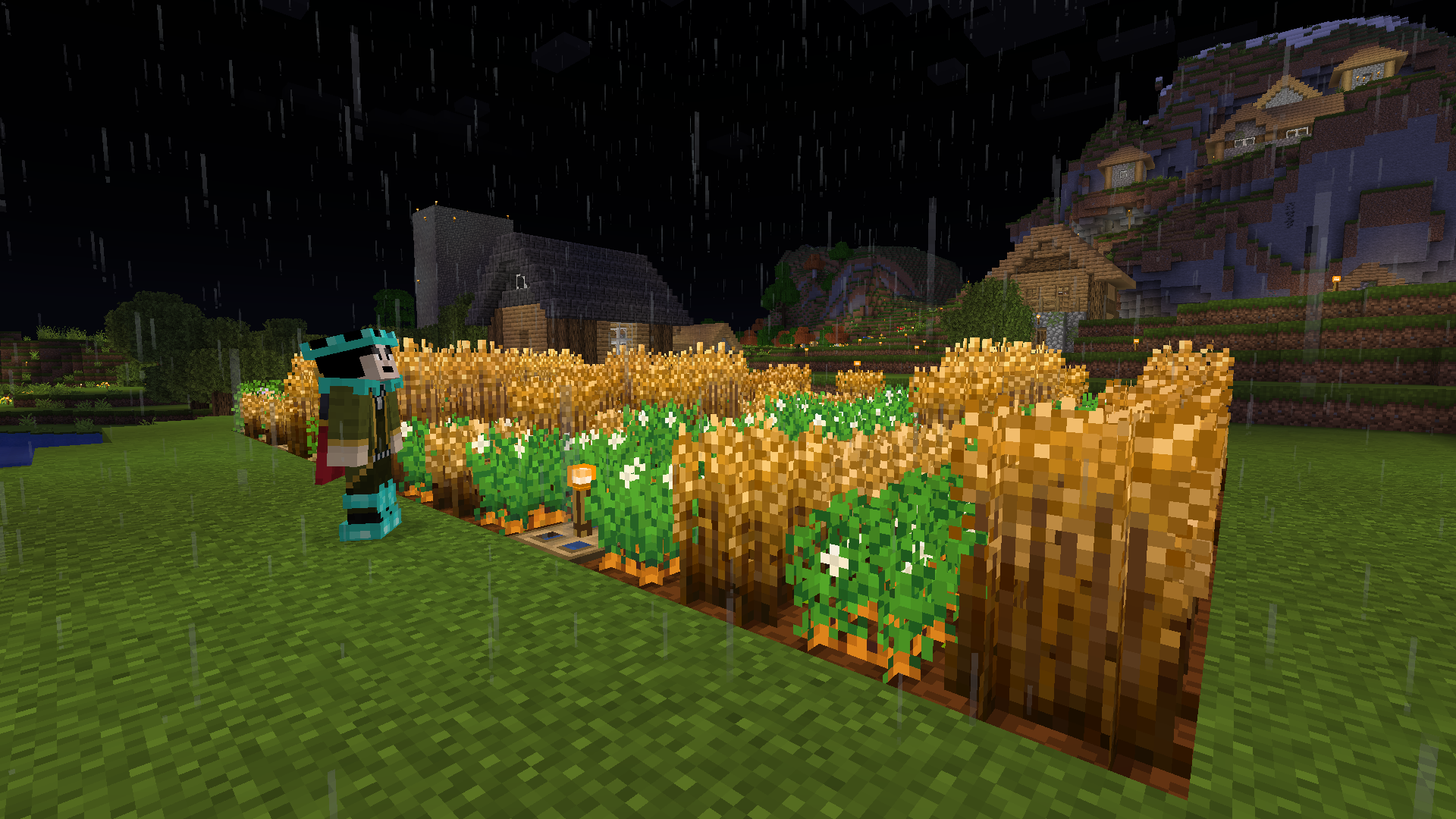
With our basic needs met, we built our individual houses surrounding the village, just up the creek from the landing settlement.
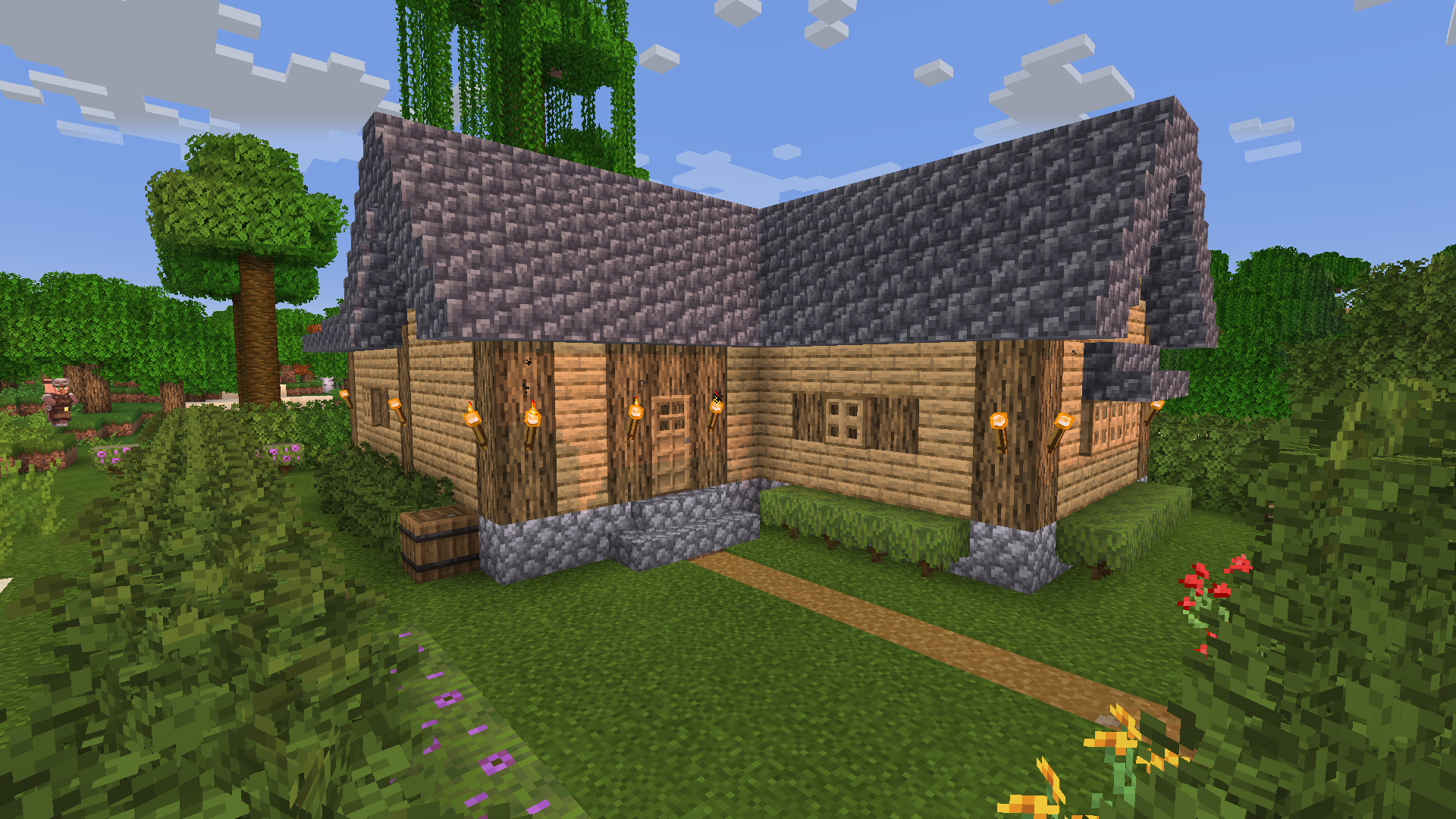
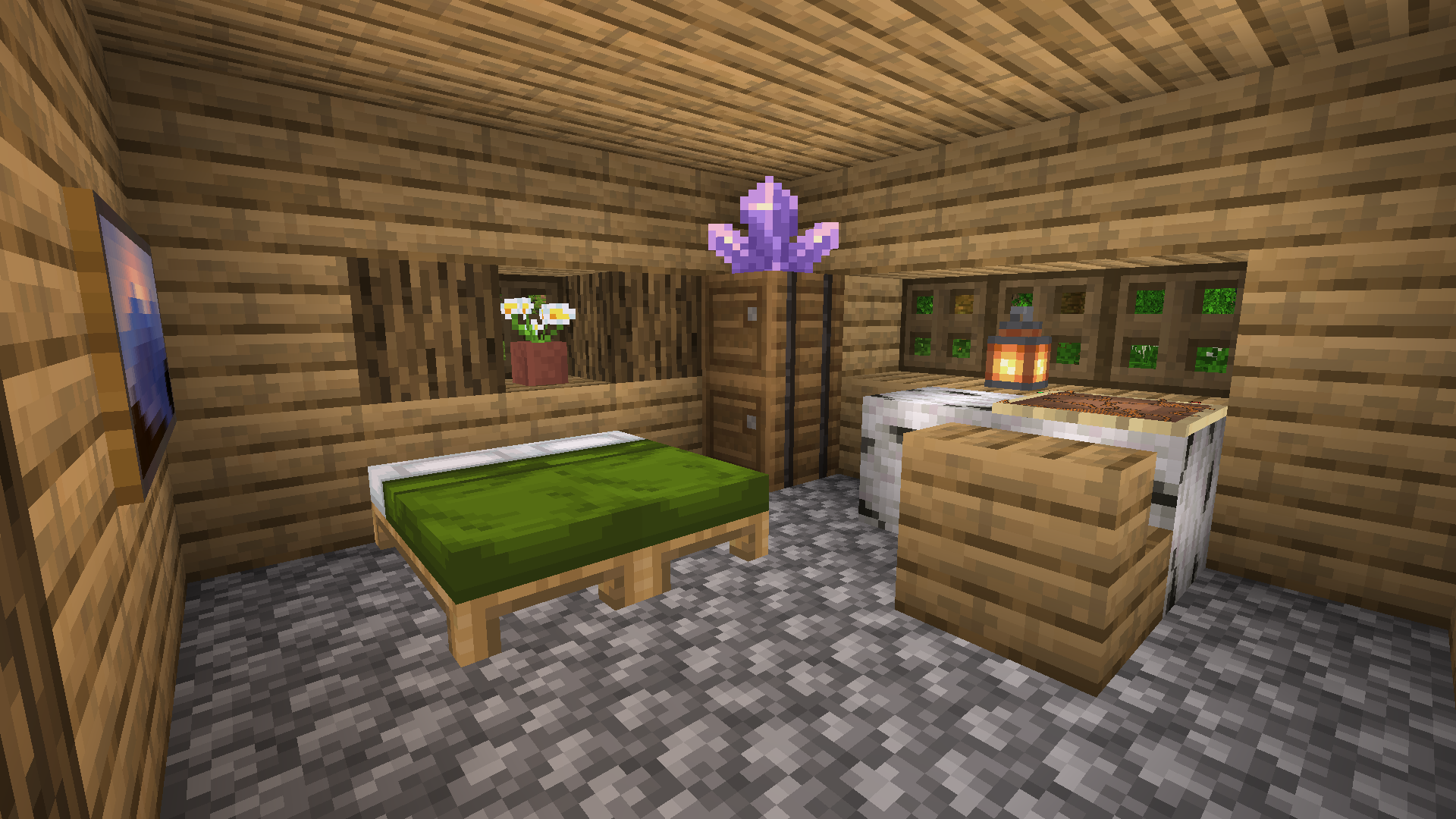
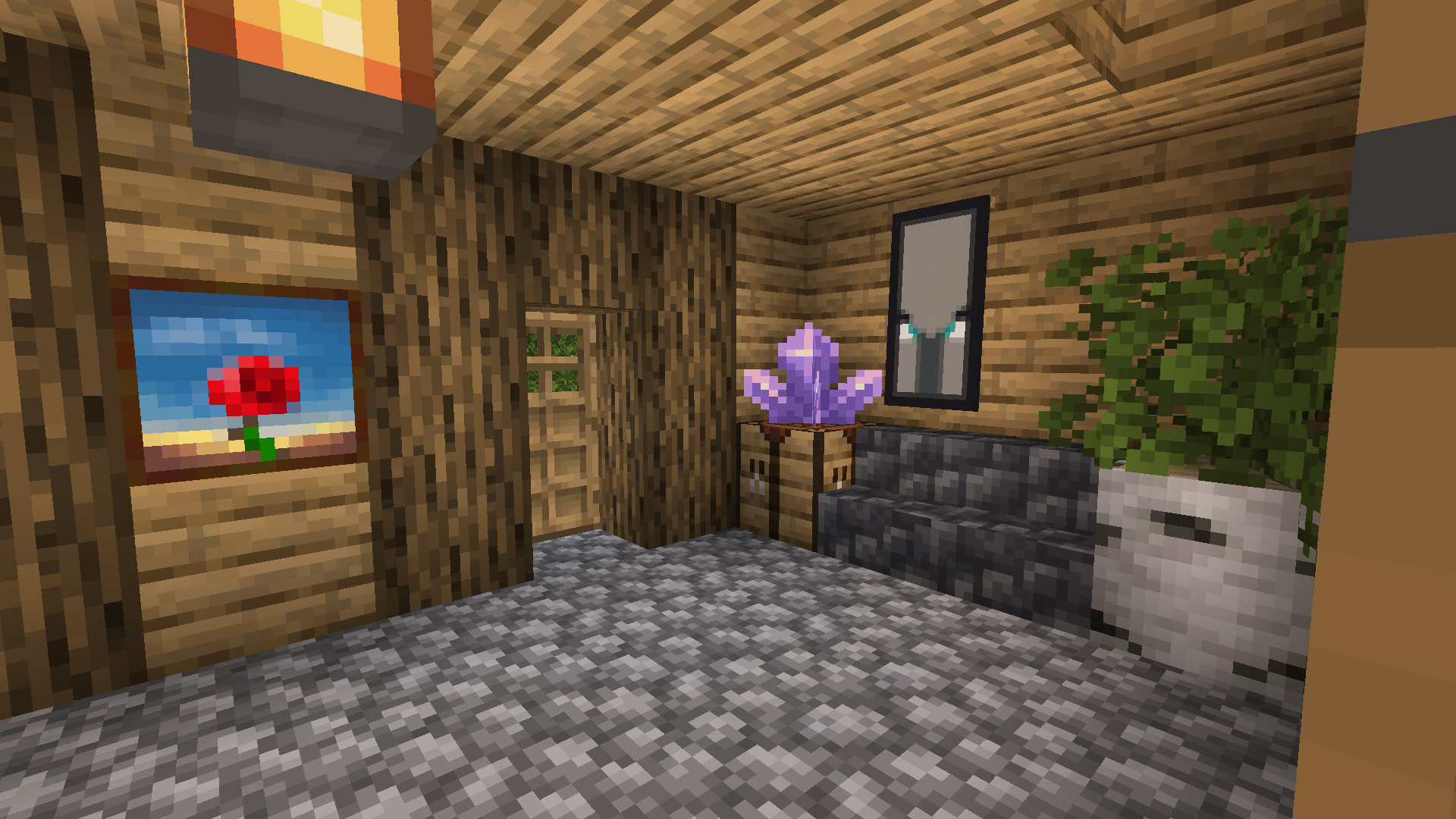
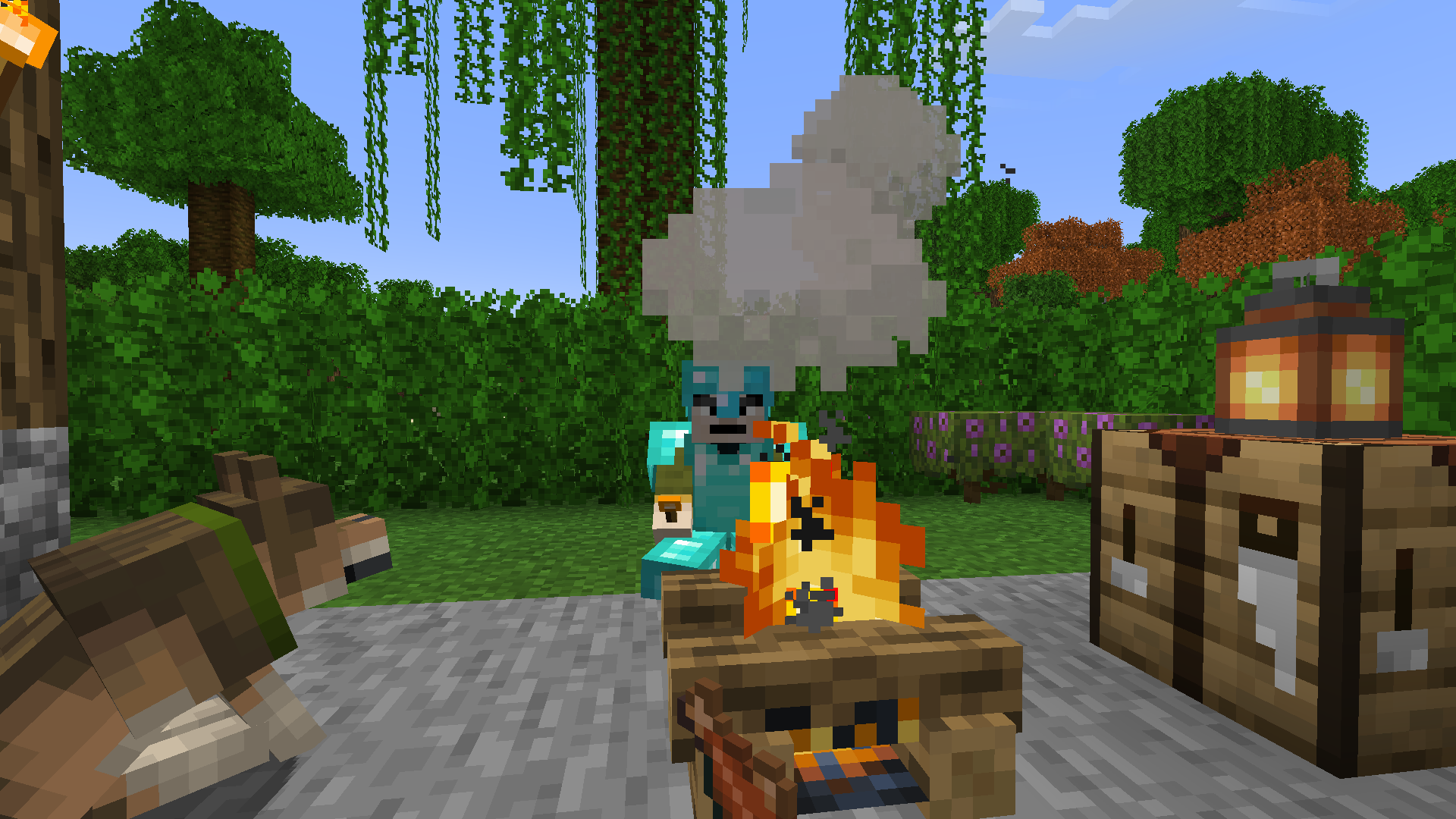
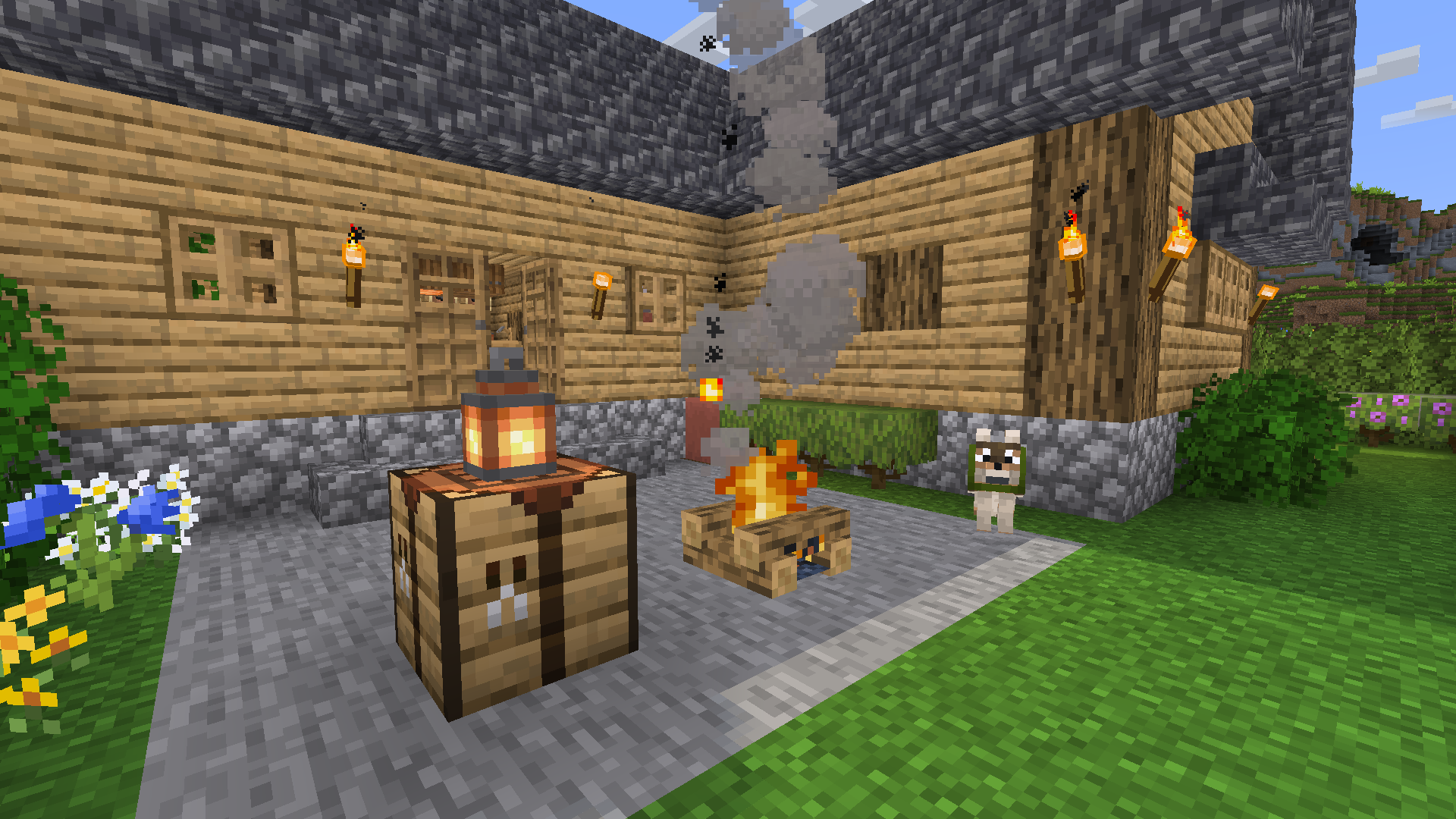
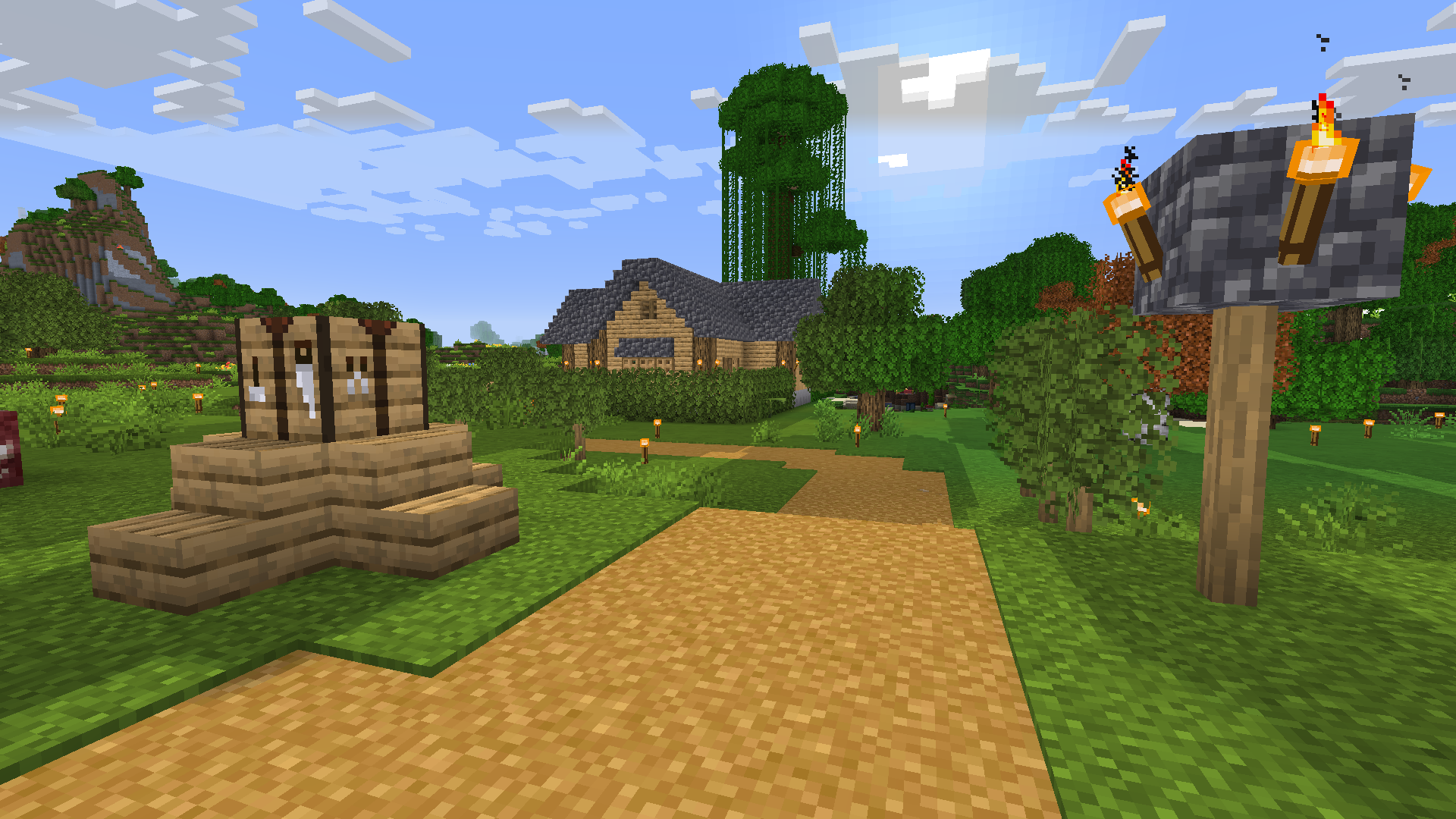
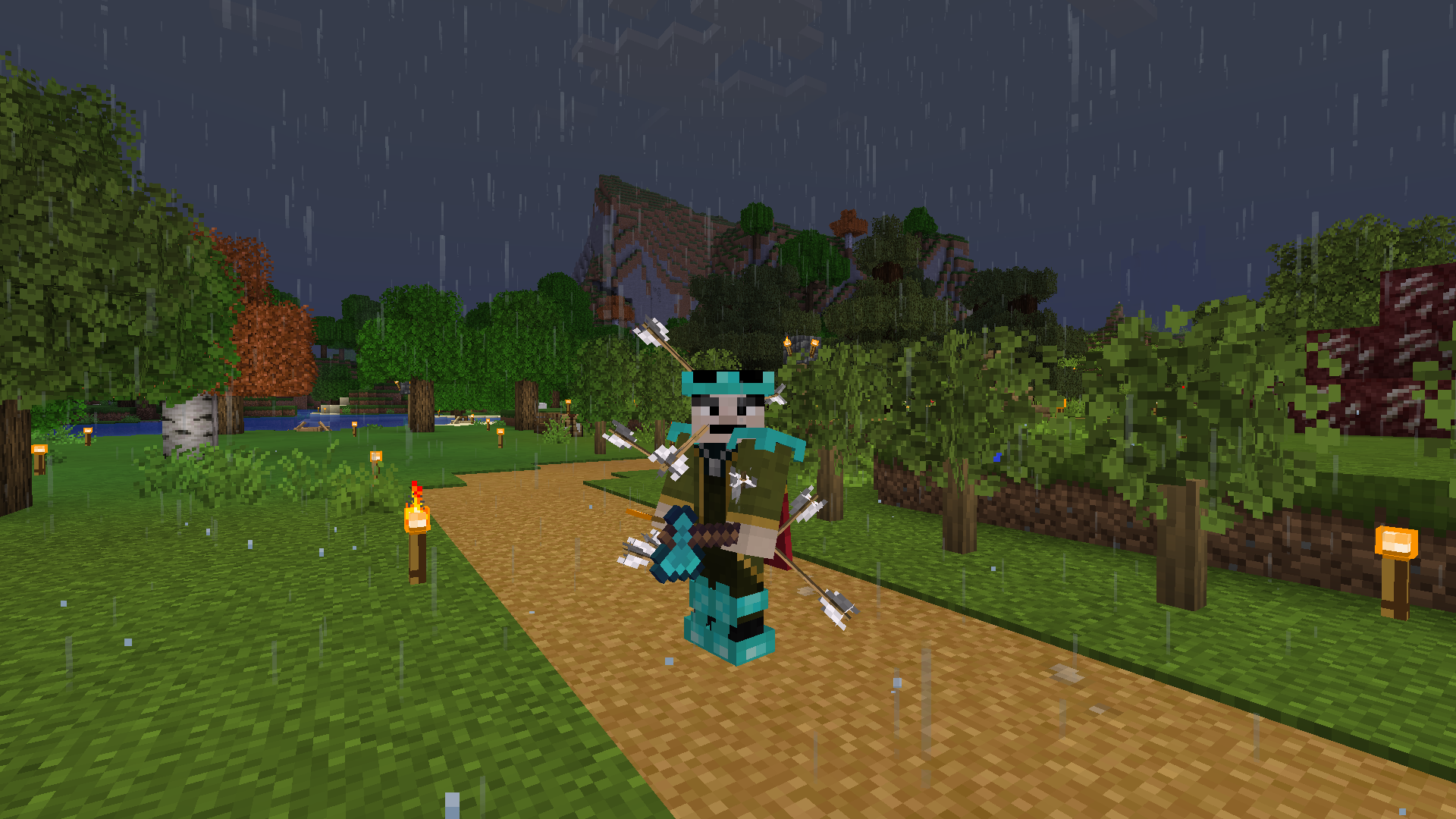
So far we have done relatively little exploration, instead focusing on establishing a sustainable home base. I expect the coming weeks will be filled with more adventuring and treasure-hunting.